

Controversy Erupts Over Mosque Demolitions in Rajasthan and Uttar Pradesh
The recent demolition of mosques in Rajasthan and Uttar Pradesh has ignited a significant political controversy, raising questions about the implications of such actions in the context of law...

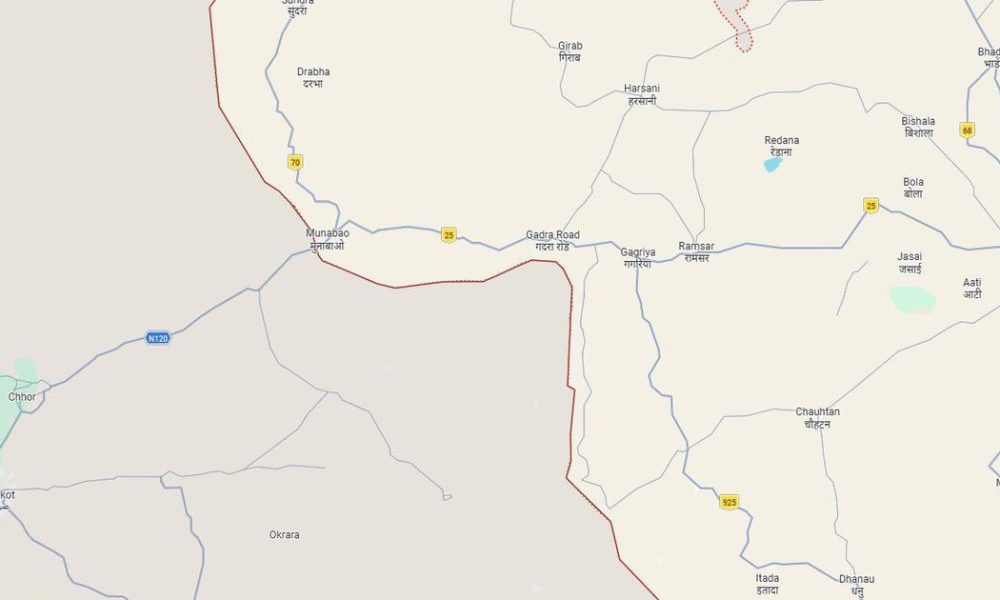
The recent demolition of mosques in Rajasthan and Uttar Pradesh has ignited a significant political controversy, raising questions about the implications of such actions in the context of law enforcement and religious rights. A notable incident occurred in Barmer, Rajasthan, where a mosque in Malana village was razed to the ground as part of a broader initiative aimed at eliminating illegal structures near the India-Pakistan border.
On Thursday, the demolition was executed under the directives of Union Home Minister Amit Shah, who, during a meeting in Bikaner earlier this year, emphasized the need for stringent measures against encroachments in border areas. Following these instructions, local authorities conducted a survey to identify unauthorized constructions. The demolition of the Malana mosque, which officials claimed was built on grazing land, has raised significant concerns among local residents and political leaders alike.
According to Maulvi Hasam Khan, the mosque was established just two years ago, but the site has hosted a madrasa since 2009. Khan insists that the land was classified as residential at the time of the madrasa’s construction, and claims that it had been granted a lease deed by the local gram panchayat, thereby legitimizing its existence. This assertion has fueled allegations of unfair treatment towards religious structures that have been in place for several years.
The incident has drawn sharp criticism from political figures, notably from the opposition Congress party. Ashok Gehlot, a senior leader, has accused the ruling Bharatiya Janata Party (BJP) government in Rajasthan of targeting historical religious sites, suggesting that these demolitions are part of a larger agenda to undermine minority communities. Gehlot expressed concern that such actions not only threaten the fabric of communal harmony but also violate the rights of citizens to practice their faith.
In Uttar Pradesh, similar demolitions have brought additional scrutiny and heightened tensions between the authorities and local communities. As the situation unfolds, it has become increasingly clear that the actions taken in Rajasthan and Uttar Pradesh may have broader implications for how India navigates the delicate balance between national security and religious freedom.
Source: scroll.in




No Comment! Be the first one.