

The Debate on Akbar: Historians Caught Between Simplistic Narratives and Historical Truths
In recent discussions about India’s Mughal history, particularly surrounding the iconic figure of Akbar, there has been a noticeable tension between historical accuracy and politicized...

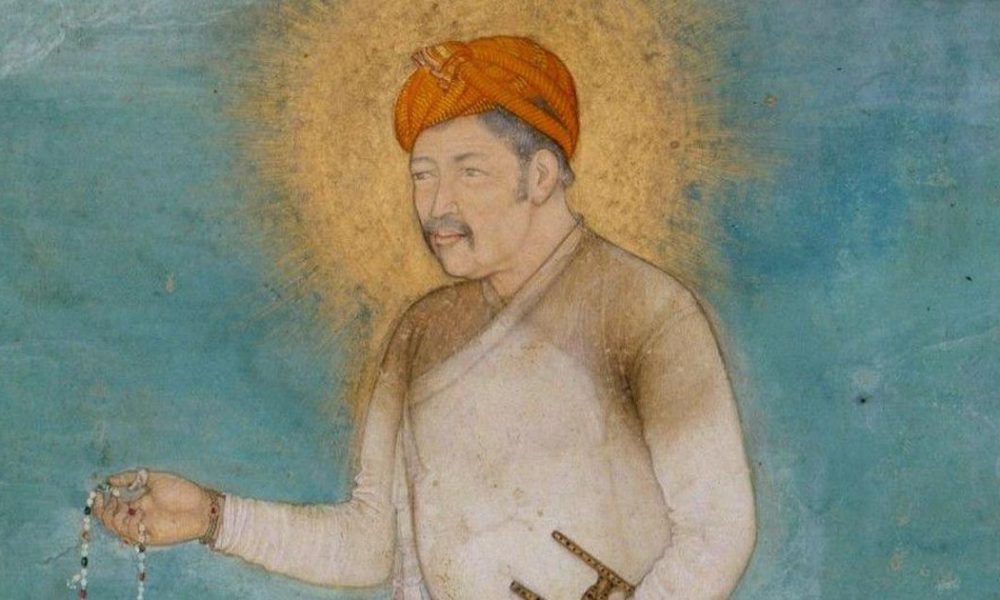
In recent discussions about India’s Mughal history, particularly surrounding the iconic figure of Akbar, there has been a noticeable tension between historical accuracy and politicized narratives. The subject has prompted responses from scholars who feel the need to address the often simplistic portrayals of Akbar in contemporary discourse, especially those propagated by proponents of the Hindutva ideology.
Syed Ali Nadeem Rezavi, an esteemed historian, recently contributed to this ongoing dialogue. His work highlights the challenges historians face in presenting an objective view of figures like Akbar, who has been portrayed as both a secular ruler and a symbol of religious tolerance. Given the intense political climate in India, where historical figures are often co-opted for various ideological purposes, delivering a nuanced perspective on Akbar has become increasingly complex.
However, it is worth noting that while Rezavi seeks to deepen the understanding of Akbar’s legacy, he aligns himself with the Aligarh school of historians, whose interpretations may have contributed to the oversimplified image of Akbar as a secular icon. This paradox raises questions about the motivations behind historical narratives and the ways in which they can be shaped by current political agendas. The portrayal of Akbar as a secular leader has arguably been influenced by both Indian and Western leftist perspectives that aim to present a unified image of his reign.
As debates about cultural identity and historical memory intensify, the figure of Akbar remains a focal point for discussions about India’s past. Historians are now faced with the challenge of not only defending the complexities of Akbar’s rule but also contending with the broader implications of how history is taught and understood in a rapidly changing socio-political landscape. Given this, it is crucial for scholars to engage with diverse interpretations while remaining committed to factual accuracy.
In conclusion, the dialogue surrounding Akbar’s legacy is emblematic of a larger struggle within Indian historiography—one that balances the weight of historical truth against the pressures of modern ideological battles. As scholars continue to navigate this terrain, the need for a more comprehensive understanding of figures like Akbar becomes increasingly vital, not just for academic integrity but for fostering a more informed discourse around India’s rich and varied history.
Source: scroll.in





No Comment! Be the first one.