

US Issues 60-Day Waiver for Iranian Oil Purchases Amid Peace Talks
In a significant diplomatic development, the United States has announced a 60-day waiver allowing countries to purchase oil from Iran. This decision comes on the heels of recent constructive...

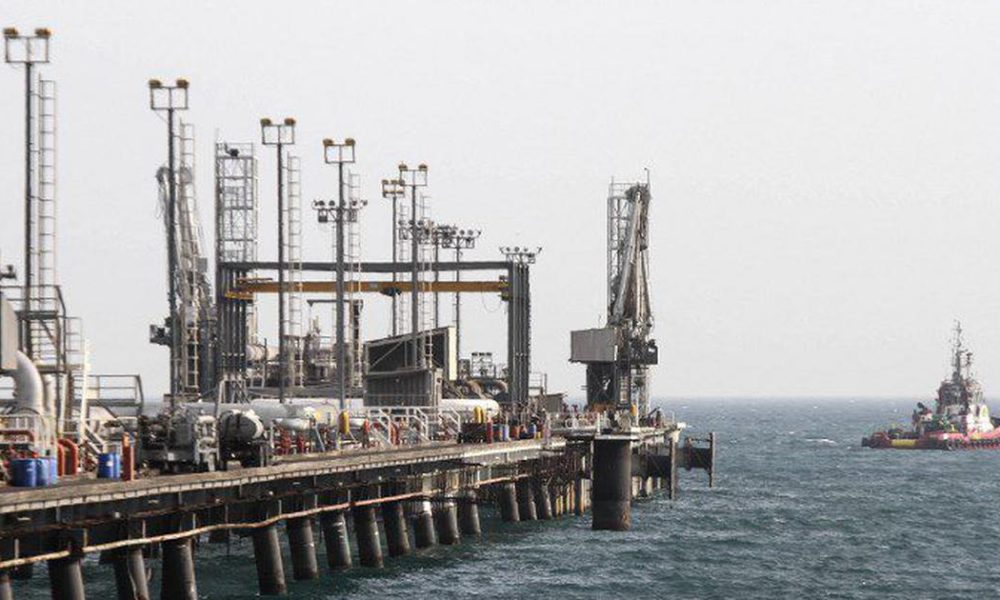
In a significant diplomatic development, the United States has announced a 60-day waiver allowing countries to purchase oil from Iran. This decision comes on the heels of recent constructive negotiations aimed at resolving ongoing conflicts in West Asia, specifically in relation to the tumultuous situation involving Iran.
US Treasury Secretary Scott Bessent shared details of the waiver on social media, stating that Iran has made commitments essential to these peace talks. Notably, Iran has agreed to reopen the crucial Strait of Hormuz, a key maritime route for global oil shipments, and to permit inspectors from the International Atomic Energy Agency (IAEA) access to its facilities. This move is seen as a positive step toward rebuilding trust and fostering a more stable environment in the region.
The waiver encompasses a general license that will enable the production, distribution, and sale of Iranian crude oil, petrochemical products, and other petroleum products. This license is set to expire on August 21, marking a critical period for both diplomatic efforts and global oil markets. Following the announcement, global oil prices experienced a decline, reflecting optimism from the initial phase of the negotiations that took place in Switzerland as part of the Islamabad Memorandum of Understanding.
As of Tuesday, Brent crude prices hovered just below $78 per barrel, significantly lower than the peak of $114 per barrel observed in early May, which was a direct consequence of escalating tensions in the region. Just before the onset of the conflict in late February, Brent crude was also priced at $78 per barrel, indicating the volatile nature of oil markets influenced by geopolitical events.
The recent talks have laid out a roadmap for a comprehensive peace agreement to be finalized within the next two months. The establishment of a high-level committee is a critical element of this process, aimed at facilitating political oversight and mediation between the parties involved. As these developments unfold, stakeholders across the globe, particularly in oil-importing nations, will be closely monitoring the situation, which may have far-reaching implications for energy prices and international relations.
Source: scroll.in






No Comment! Be the first one.