

The Silent Decline of Urdu: Exploring Its Marginalization in India’s Cultural Landscape
Language serves as a fundamental component of human identity, deeply intertwined with culture and emotion. It acts as a conduit for expressing thoughts, feelings, and artistic expressions such as...

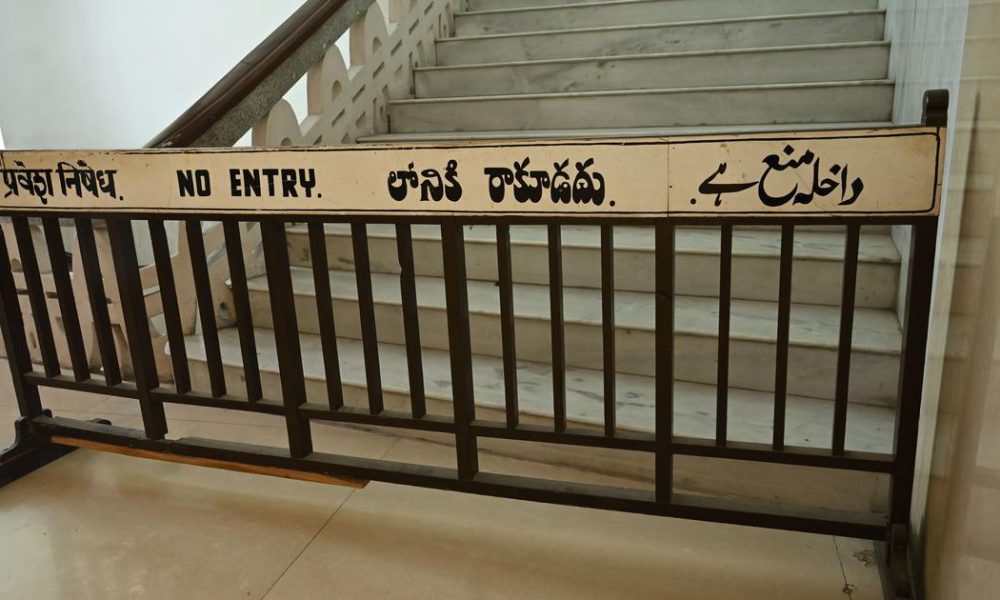
Language serves as a fundamental component of human identity, deeply intertwined with culture and emotion. It acts as a conduit for expressing thoughts, feelings, and artistic expressions such as prose, poetry, and drama. Renowned literary critic George Steiner articulated this sentiment by stating that different languages and dialects reflect unique worldviews, shaping memories and social relationships in diverse ways. In India, language is not merely a tool for communication but a vital thread in the rich tapestry of cultural diversity.
As the nation forged its identity post-independence, the importance of safeguarding linguistic diversity was recognized. The Indian Constitution, during its drafting phase, grappled with the complexities surrounding cultural rights, particularly for minority groups. Central to this discourse was the question of whether these minorities should retain the freedom to uphold their religious, linguistic, and cultural practices without state interference. The Congress Party had already advocated for the preservation of minority languages and cultures as early as the Karachi Resolution of 1931.
However, the path towards ensuring these rights was fraught with challenges, especially with figures like Dr. B.R. Ambedkar, who emphasized the need for a more robust framework to safeguard these cultural identities. Despite these noble intentions, the reality of language politics in India has often led to the sidelining of languages like Urdu, which once flourished in the Indian heartland.
The marginalization of Urdu speaks volumes about broader socio-political currents. As a language rich in literary heritage, Urdu has historically been associated with a vibrant artistic tradition. This decline can be traced to various factors, including political narratives that have framed it as a language of a particular community rather than a shared cultural treasure. The educational and institutional policies that favored other languages over Urdu further exacerbated its diminishing presence in public life.
As we examine the trajectory of Urdu’s decline, it becomes evident that protecting a language is synonymous with preserving the plurality of thought and cultural richness. The struggle to keep Urdu alive is not just about the language itself but about safeguarding the myriad stories, emotions, and experiences it encapsulates. In a rapidly globalizing world, the preservation of languages like Urdu becomes paramount, reminding us of the intricate and diverse identities that characterize India.
Source: scroll.in




No Comment! Be the first one.