

Government Exempts Ethanol-Blended Petrol from Central Excise Duty in a Move to Promote Green Energy
The Union government has announced a significant extension of its excise duty exemption to petrol blended with 22% to 30% ethanol. This development follows the Bureau of Indian Standards’...

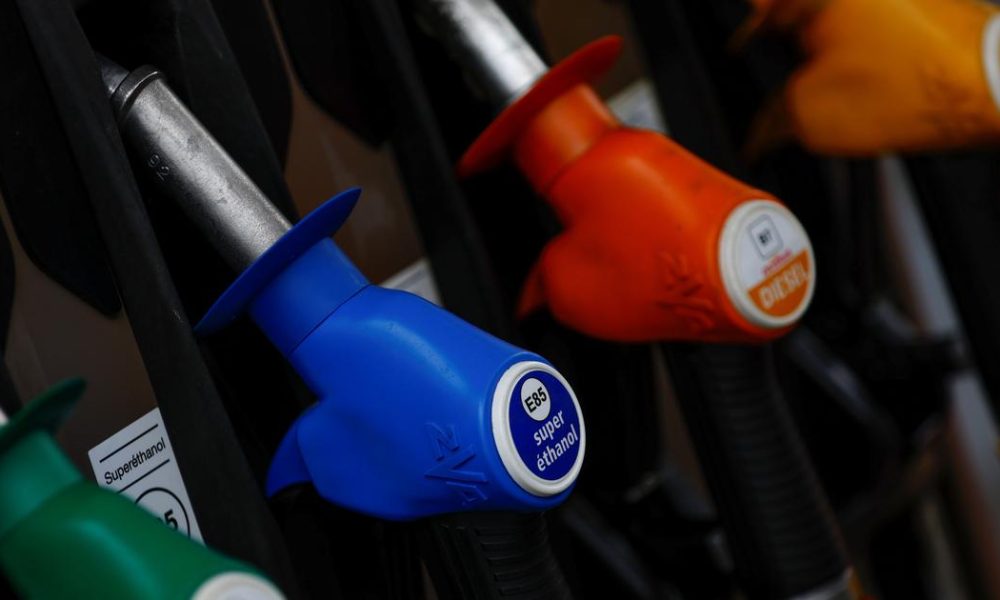
The Union government has announced a significant extension of its excise duty exemption to petrol blended with 22% to 30% ethanol. This development follows the Bureau of Indian Standards’ notification in May regarding fuel quality norms that accommodate higher ethanol concentrations in petrol, specifically variants containing 22%, 25%, 27%, and 30% ethyl alcohol by volume. However, these higher blends are yet to be commercially available across the country.
As part of India’s Ethanol Blending Programme, the government has already mandated the sale of petrol mixed with 20% ethanol, referred to as E20 fuel. Remarkably, India achieved its target of reaching a 20% ethanol blend in petrol a full five years ahead of its 2025 deadline. This initiative aligns with India’s broader objective of transitioning towards sustainable energy, aimed at decreasing reliance on fossil fuels, lowering greenhouse gas emissions, and enhancing the economic welfare of sugarcane farmers who supply the raw material for ethanol production.
Despite these advancements, some consumers have raised concerns regarding the impact of new fuel blends on vehicle performance. Reports have indicated that the introduction of these higher ethanol blends might lead to engine damage and reduced mileage for many vehicles. A study conducted in October revealed that only about 20% of petrol vehicles sold in India over the past 15 years are compatible with the E20 fuel blend. This raises questions about the readiness of the majority of vehicles on Indian roads for such transitions.
In response to these concerns, Union Transport Minister Nitin Gadkari provided insights during a recent session in Parliament. He stated that the government had tested various older vehicles with petrol containing 20% ethanol and found no evidence of engine failures during their assessments. The tests, which were conducted by the Automotive Research Association of India, involved vehicles that collectively traveled nearly 100,000 kilometers. Gadkari reported that the research revealed “no impact” on vehicle performance attributable to the E20 blend.
This ongoing transition to higher ethanol blends not only supports environmental sustainability but also aims to provide financial benefits to farmers engaged in sugarcane cultivation. The government’s commitment to promoting eco-friendly fuel alternatives continues to evolve, but it must also address consumer concerns to ensure a smooth shift towards a greener energy landscape in India.
Source: scroll.in







No Comment! Be the first one.