

Supreme Court Petition Filed by Muslim Activist Facing Police Harassment After Jantar Mantar Protest
A Muslim activist who volunteered at the recent protests in Delhi’s Jantar Mantar has approached the Supreme Court, claiming he faced unlawful detention and harassment by police. Junaid Malik,...

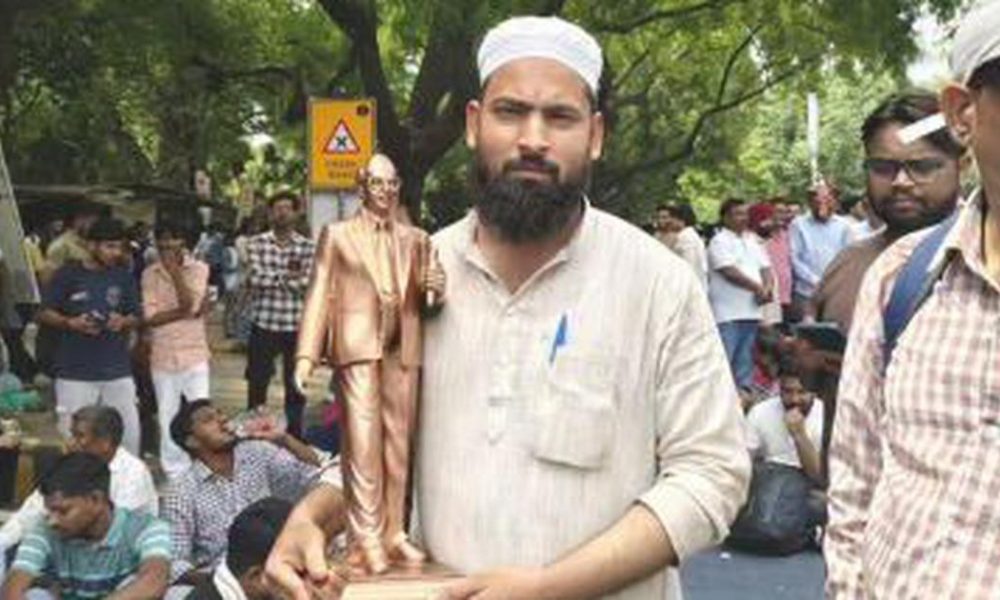
A Muslim activist who volunteered at the recent protests in Delhi’s Jantar Mantar has approached the Supreme Court, claiming he faced unlawful detention and harassment by police. Junaid Malik, who provided food and water to protesters, alleges that his experience reflects a broader pattern of intimidation against those participating in public demonstrations.
According to reports, Malik, a law graduate and social worker, experienced a troubling encounter with Delhi Police following a visit to Ram Manohar Lohia Hospital. On Friday, he and a friend were reportedly detained while returning from the hospital, where they had received anti-rabies injections. Malik’s petition states that the police officers held them for approximately five to six hours inside a vehicle, during which they seized Malik’s phone and compelled him to unlock it.
The situation escalated as both men were allegedly transferred to what Malik described as an ‘interrogation room’, where senior officers questioned them throughout the night. The petition asserts that the police demanded information about the funding sources for the food and water provided to protesters at Jantar Mantar, raising concerns about the motivations behind such inquiries. Furthermore, Malik claims that police officers used abusive language and threatened him with the application of the National Security Act if he did not comply with their demands.
Malik’s family faced a parallel ordeal, as several members were reportedly detained in Ghaziabad, Uttar Pradesh, without following proper legal protocols. Although they were eventually released, this incident highlights a troubling trend of police actions against those involved in social and political activism. Malik’s legal counsel confirmed the release, emphasizing the necessity of due process in such matters.
This case underscores significant issues regarding civil liberties, particularly in the context of the right to protest in India. As various social movements gain momentum, activists like Malik find themselves increasingly vulnerable to state scrutiny and harassment, raising critical questions about the balance between public order and individual rights. The Supreme Court’s response to Malik’s petition may set an important precedent for how authorities interact with peaceful demonstrators in the future.
Source: scroll.in







No Comment! Be the first one.