

Lessons from Lakshadweep: A Model for TB Elimination in India
Lakshadweep, the smallest Union Territory of India, comprises a picturesque archipelago with 36 islands, only 10 of which are inhabited. Covering a mere 32 square kilometers, these islands are...

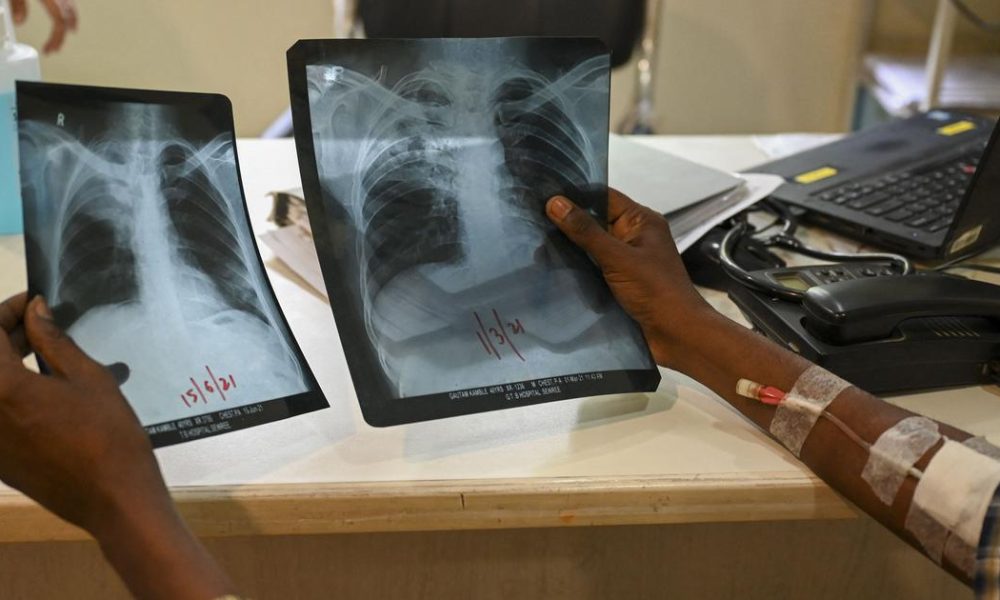
Lakshadweep, the smallest Union Territory of India, comprises a picturesque archipelago with 36 islands, only 10 of which are inhabited. Covering a mere 32 square kilometers, these islands are characterized by their isolation, with many of them lying two to five hours away from each other by boat. Among these, Minicoy stands out, requiring a 16-hour journey from the administrative headquarters in Kavaratti. Despite these challenges, Lakshadweep has emerged as a beacon of hope in India’s battle against tuberculosis (TB), being declared TB-free in March 2021.
This achievement came three years after a focused strategy was put in place, which was supported by Rakesh PS, a public health physician and consultant for the World Health Organization (WHO). Rakesh, who has been instrumental in the National TB Elimination Program across Lakshadweep and parts of Kerala, reflects on the simplicity of the approach that led to this success. “The strategy was straightforward, a hallmark of many effective public health initiatives,” he states. However, he emphasizes that the simplicity of an idea should not be mistaken for the ease of its implementation.
India is grappling with a significant TB burden, with approximately 2.7 million cases reported in 2025, translating to about 185 cases per 100,000 people. This stark reality highlights the importance of studying successful models like Lakshadweep’s TB program. In his forthcoming book, Echoes from the Atoll, Rakesh delves into the hurdles faced during the rollout of this initiative and the invaluable lessons it offers for wider implementation.
The TB program in Lakshadweep stands out not just for its success but for the collaborative effort that underpinned it. Local healthcare workers played a crucial role in the early detection of cases, while community engagement was pivotal in raising awareness about TB prevention and treatment. This model showcases how tailored strategies, which consider geographical and cultural factors, can significantly enhance health outcomes.
As India continues to strive towards eliminating TB by 2025, Lakshadweep’s insights into the importance of simplicity in strategy, community involvement, and local healthcare capacity can guide similar initiatives in other regions facing the TB crisis. Learning from this success story could provide a roadmap for effective TB management across the nation, fostering hope for a TB-free India.
Source: scroll.in







No Comment! Be the first one.