

Reimagining Storytelling: Embracing Non-Human Narratives in the Anthropocene
In an era defined by the Anthropocene—characterized by significant human impact on the Earth—storytelling is evolving to include a broader spectrum of narratives that go beyond just human...

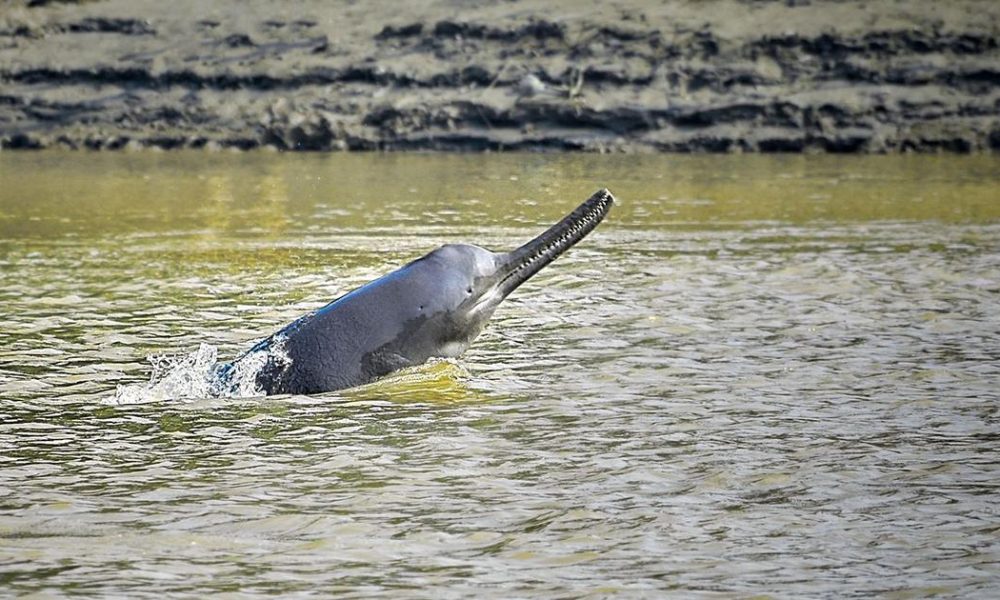
In an era defined by the Anthropocene—characterized by significant human impact on the Earth—storytelling is evolving to include a broader spectrum of narratives that go beyond just human experiences. This transformation is essential, especially as we grapple with environmental crises and seek a deeper understanding of our coexistence with the planet’s non-human inhabitants.
The traditional depiction of ‘nature’ often relegates it to an abstract concept, perceived as a realm separate from human life. This separation fosters a mindset where exploitation of natural resources seems justified, as nature is viewed as an entity to be enjoyed from a distance, rather than an integral part of our ecosystem. As a result, we are witnessing severe consequences, including climate change, erratic weather patterns, and the emergence of new health threats. These challenges reflect a growing disconnect between humanity and the environment.
Given these pressing issues, the call for narratives that highlight the interconnectedness of human and non-human worlds has never been more urgent. We are in need of stories that intricately portray the relationships and interactions occurring within these ecosystems. Such narratives could serve to bridge the gap between human experiences and the broader ecological context, encouraging a more profound respect for all forms of life.
Moreover, it is essential to recognize that existing cultural frameworks often perpetuate power dynamics that exclude non-human voices. The prevailing narrative structures tend to prioritize human perspectives, leaving little room for the stories of the countless species that share our planet. This oversight not only diminishes the richness of our storytelling but also hampers our ability to engage meaningfully with the environmental issues we face.
As we move forward, it is imperative that we cultivate storytelling practices that are inclusive of the non-human. By embracing this approach, we can enrich our understanding of the world and foster a sense of responsibility towards the environment. These new narratives can inspire action and change, urging us to rethink our relationship with nature, and ultimately, to promote a more sustainable future for all.
Source: scroll.in







No Comment! Be the first one.