

The Ubiquity of Biometric Technology: Convenience Meets Concerns in India
In today’s digital age, biometric technology has seamlessly integrated into our everyday lives, becoming a cornerstone of security and convenience. Whether it’s unlocking smartphones with facial...

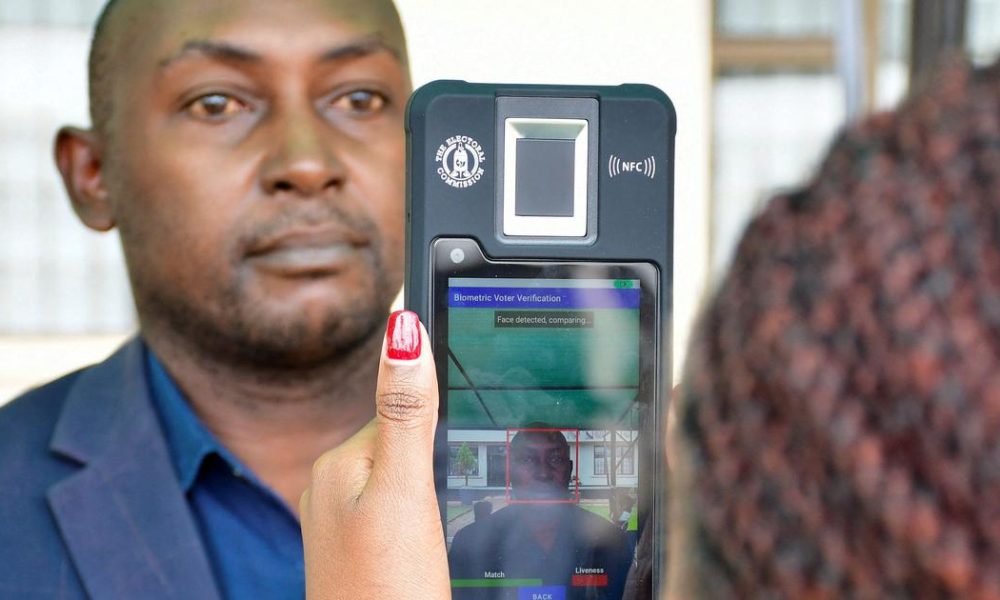
In today’s digital age, biometric technology has seamlessly integrated into our everyday lives, becoming a cornerstone of security and convenience. Whether it’s unlocking smartphones with facial recognition, accessing laptops with fingerprints, or breezing through airport security with a mere glance, these innovations have made security measures almost invisible to many users.
The widespread adoption of biometric systems is largely due to their speed and perceived safety. Unlike traditional passwords, which can be forgotten or compromised, biometric identifiers such as faces and fingerprints are unique and inherently secure. However, this growing reliance on biometric technology raises significant concerns regarding privacy and data security.
Biometric technologies can be categorized into two primary types: physiological and behavioral. Physiological biometrics include fingerprints, facial recognition, iris scans, and even unique patterns on nail beds. On the other hand, behavioral biometrics encompass how users interact with their devices, such as typing rhythms, walking patterns, and the angle at which they hold their smartphones. In India, financial institutions and retail businesses are increasingly utilizing these technologies to enhance security while also improving user experience.
Recent studies indicate that banks and retailers in India are not only employing fingerprint and facial recognition technology but are also analyzing user interaction data. This includes monitoring how individuals swipe, tap, scroll, and even the pressure exerted while using their devices. For instance, if a user leaves their phone unlocked and someone else attempts to access sensitive banking apps, the system can automatically trigger a fraud alert to help prevent unauthorized access.
Moreover, researchers have demonstrated that it is possible to discern a user’s identity and even their native language based on typing patterns and timing. This indicates a deeper level of user profiling than previously considered, raising ethical questions about user consent and data privacy. As these technologies evolve, the discussion around their implications is becoming increasingly urgent in India, where digital penetration is surging.
While the benefits of biometric technology are clear—enhanced security, convenience, and efficiency—there is an undeniable need for robust regulations to protect users’ privacy. As India continues to embrace these innovations, striking the right balance between security and privacy will be crucial. The future of biometric technology in India hinges not only on its advancements but also on the ethical frameworks that govern its use.
Source: scroll.in







No Comment! Be the first one.