

Bridging Global Climate Policies with Local Actions: A Call for Granular Change
The urgent dialogue surrounding climate change often gets lost in a sea of lofty international commitments and significant decarbonization targets. While these grand initiatives frequently capture...

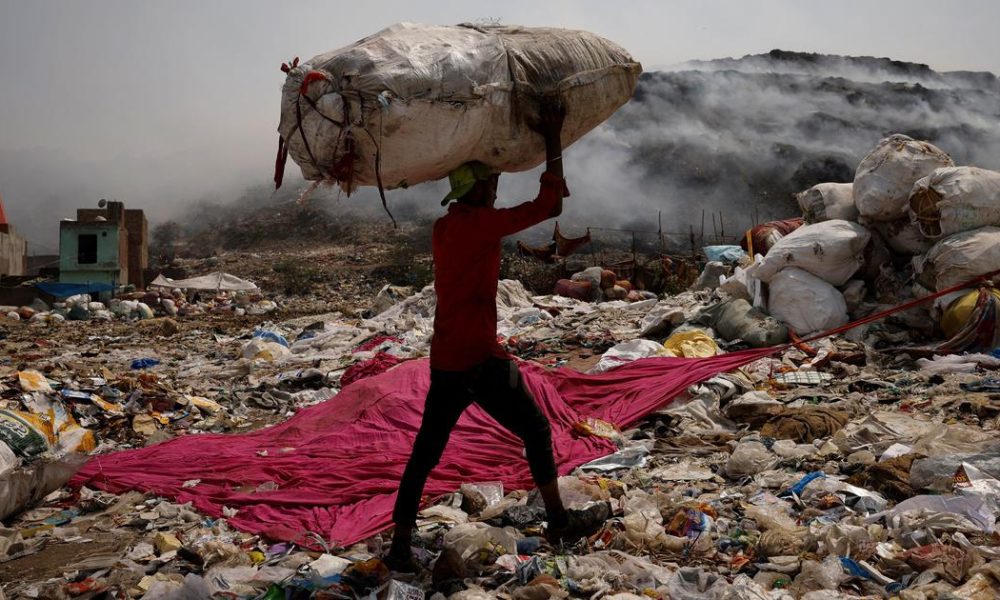
The urgent dialogue surrounding climate change often gets lost in a sea of lofty international commitments and significant decarbonization targets. While these grand initiatives frequently capture headlines, the planet’s ecological systems continue to deteriorate at an alarming rate. This disconnect highlights a crucial reality: environmental degradation stems from the cumulative impact of countless daily economic choices made by individuals. To reverse this trend, it is essential for global policies to align closely with local human incentives.
Bangladesh serves as a stark illustration of this dynamic. Often considered an environmental frontline state, it faces severe pollution challenges, with the World Bank estimating that around 272,000 lives are lost prematurely each year due to environmental factors. As various stakeholders, including government bodies, non-profit organizations, and academic institutions, grapple with potential systemic reforms, it is evident that institutional efforts alone cannot compensate for individual responsibility. True environmental stewardship requires a strategic coupling of broad economic policies with micro-level behavioral changes.
At the heart of effective resource management lies the fundamental principles of reduction, reuse, and recycling. This triad represents a commitment to resource efficiency that is critical in mitigating environmental impacts. By curtailing unnecessary consumption and enhancing the longevity of products, society can significantly relieve the strain on primary natural resources. Shifting away from the traditional linear model of production—which typically follows the pattern of extraction, manufacturing, and disposal—towards a circular economic approach can yield substantial benefits. This concept, exemplified by Germany’s Kreislaufwirtschaft or circular economy law, is not merely ideological but a validated strategy for sustainable development.
For India, which faces its own unique environmental challenges, the lessons learned from such successful models are invaluable. As the nation strives to balance economic growth with ecological sustainability, it is imperative to foster individual and community engagement in environmental initiatives. Localized programs that incentivize recycling, promote energy efficiency, and encourage sustainable practices can create a ripple effect, driving meaningful change from the ground up.
In conclusion, while global climate policies undoubtedly play a pivotal role in shaping environmental futures, they must be complemented by grassroots actions that empower individuals. It is only through this symbiotic relationship between macro-level strategies and micro-level choices that we can hope to combat the pressing issue of climate change effectively. The time for action is now, and it begins with each one of us.
Source: scroll.in







No Comment! Be the first one.