

Bureaucratic Hurdles Stifle Women’s Leadership in India’s Premier Educational Institutions
The ongoing challenges faced by women aspiring to lead some of India’s most prestigious educational institutions highlight systemic issues within bureaucratic processes. Recent events at St...

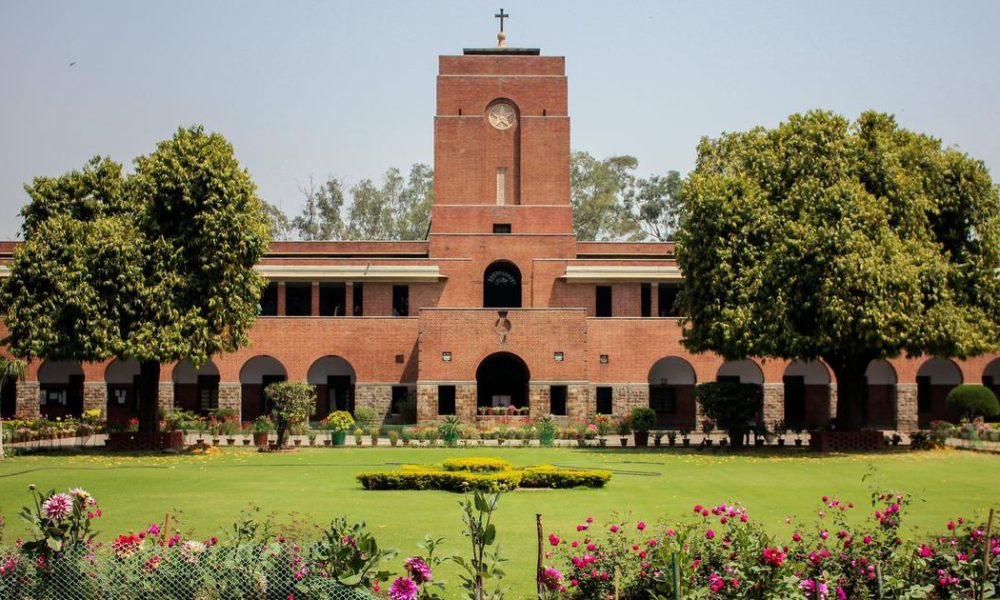
The ongoing challenges faced by women aspiring to lead some of India’s most prestigious educational institutions highlight systemic issues within bureaucratic processes. Recent events at St Stephen’s College and St Xavier’s College reveal how regulatory roadblocks are hindering women’s progress into pivotal leadership roles.
In May, St Stephen’s College in Delhi announced its decision to appoint Susan Elias, a renowned computer scientist, as its 14th principal. This was a historic moment, as Elias was set to become the first female principal in the college’s 145-year history. However, shortly after the announcement, the Delhi University intervened, placing a halt on her appointment. The university cited non-compliance with the University Grants Commission (UGC) Regulations of 2018, stating that the selection committee should have included expert nominees from the university and a representative from the Vice-Chancellor.
This situation evokes memories of a similar impasse last year at St Xavier’s College in Mumbai, which also experienced bureaucratic resistance in appointing a female leader. In October, the college chose Karuna Gokarn, a distinguished microbiologist, as its first female principal, a move celebrated in an institution founded 156 years ago. Yet, like in the St Stephen’s case, Gokarn’s appointment faced scrutiny and was stalled by the Maharashtra Joint Director of Education and the University of Mumbai, prompting St Xavier’s to escalate the matter to the Bombay High Court.
Both instances underline a pressing issue within India’s educational bureaucracies, where rigid adherence to regulations can overshadow progress towards equality. The requirement for institutional nominations can often translate into a convoluted process that disproportionately affects female candidates. Critics argue that such regulations, while perhaps well-intentioned, can perpetuate gender biases and limit the advancement of women in leadership.
As India continues to strive for gender parity in various sectors, these incidents serve as a stark reminder of the need for reforms in the bureaucratic systems governing educational institutions. The delay in appointing qualified women to leadership roles not only affects the institutions involved but also sends a broader message about the challenges women face in achieving leadership positions across the country. Stakeholders in education and governance must address these issues to ensure that the progress of women in leadership is not stifled by unnecessary procedural delays.
Source: scroll.in







No Comment! Be the first one.