

Israel and India: The Rise of Digital Authoritarianism in Democracies
The term “digital authoritarianism” has emerged to describe a troubling trend where governments exploit technology for surveillance and censorship in a bid to stifle dissent. While China has long...

The term “digital authoritarianism” has emerged to describe a troubling trend where governments exploit technology for surveillance and censorship in a bid to stifle dissent. While China has long been recognized as a frontrunner in this realm, with its extensive surveillance systems and disinformation campaigns, the phenomenon is increasingly evident in democracies, notably in India and Israel. These nations exemplify how even democratic systems can drift toward practices they traditionally opposed.
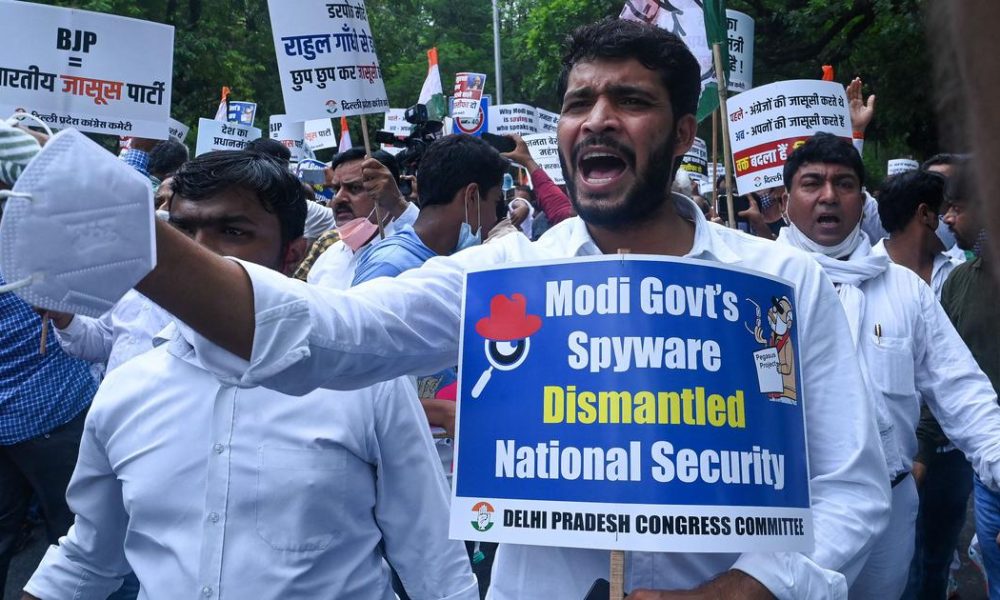
In Israel, the government has established a regulatory framework that allows private companies to export spyware. A prominent example is Pegasus, developed by NSO Group, which is marketed as a tool for counterterrorism and tackling significant criminal activities. However, investigations have surfaced alarming claims linking this spyware to the monitoring of journalists, activists, and political dissidents. Pegasus can stealthily infiltrate smartphones without requiring any interaction from the user, granting access to personal messages, calls, and even the device’s camera and microphone. The implications are grave, having been associated with the surveillance of journalists in Mexico and opposition figures in India.
Despite the Israeli government’s attempt to tighten export regulations in 2021, allowing the sale of such technologies only to trusted governments for legitimate purposes, the issue persists. Reports from early 2025 revealed that Paragon Solutions, a spyware firm co-founded by former Israeli Prime Minister Ehud Barak, has developed advanced surveillance technologies that could potentially enhance these troubling practices. This raises concerns about the ethical implications of surveillance technology being utilized by democratic nations.
In India, the issue has garnered significant attention, especially with allegations regarding the use of Pegasus spyware against political opponents and activists. The Indian government has faced backlash for its perceived authoritarian tendencies, raising questions about the role of technology in governance and the protection of civil liberties. As digital tools become increasingly integral to state operations, the balance between national security and individual rights is becoming more precarious.
The drift towards digital authoritarianism in these democracies poses a critical challenge for their citizens. It calls for a reevaluation of how technology is harnessed in the name of security and the extent to which these tools can infringe on personal freedoms. As India and Israel navigate this complex landscape, the need for transparent governance and the safeguarding of democratic values has never been more crucial.
Source: scroll.in







No Comment! Be the first one.