

Exploring Love and Loss: Glenway Wescott’s ‘The Pilgrim Hawk’ as a Reflection on Marriage
In Glenway Wescott’s profound novella, The Pilgrim Hawk: A Love Story, the delicate interplay of human relationships is poignantly encapsulated through the metaphor of a hawk. This narrative...

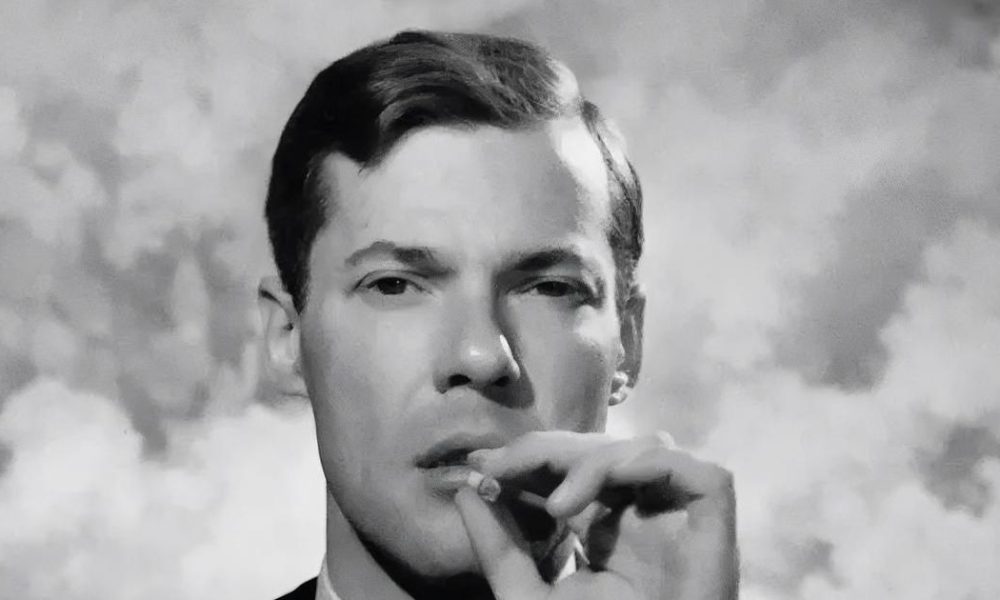
In Glenway Wescott’s profound novella, The Pilgrim Hawk: A Love Story, the delicate interplay of human relationships is poignantly encapsulated through the metaphor of a hawk. This narrative serves as an insightful commentary on the fragility and complexities of marriage, particularly in the context of a disintegrating relationship.
Wescott, an American novelist and essayist, produced a considerable body of work over two decades, which includes notable novels like The Apple of the Eye and Apt in Athens. However, it was The Pilgrim Hawk, published in 1940, that stands out for its intimate exploration of love and emotional distance. The story unfolds through the eyes of Alwyn Tower, a writer visiting his friend in Paris, where he encounters a middle-aged Irish couple, Madeleine and Larry Cullen. Their dynamic reveals deeper truths about their marriage, offering readers a lens into the often unspoken tensions that underlie long-term relationships.
Wescott’s narrative style is rich with metaphor, using the hawk—a symbol of both grace and predation—as a representation of the couple’s marital struggles. The evocative imagery employed by Wescott invites readers to reflect on the nature of companionship and the inherent isolation that can accompany passionate bonds. His prose suggests that the circumstances surrounding love are frequently trivial compared to the emotional chasms that may form between partners.
Not only is Wescott’s literary contribution significant for its thematic depth, but it also stands out due to his identity as one of the few openly gay writers of his era. His long-term relationship with Monroe Wheeler, lasting from 1919 until his death in 1987, adds a layer of poignancy to his work, particularly in how it addresses themes of love and loss. The couple’s mutual support and shared experiences are mirrored in the emotional landscape of The Pilgrim Hawk, providing a historical context that amplifies its relevance even today.
As readers approach Wescott’s narrative, they may find themselves reflecting not only on the trials of the characters but also on their own relationships. In a world where marriage often faces societal pressures and personal challenges, Wescott’s exploration of intimacy and disconnection remains strikingly relevant. The novella serves as a reminder of the intricate balance between love and solitude, urging readers to contemplate what it means to truly connect with another person.
Source: scroll.in







No Comment! Be the first one.