

Supreme Court Halts Deportation of Four Women Declared Foreigners in Assam
On Friday, the Supreme Court of India intervened to stay the deportation of four women who were labeled as foreigners by tribunals in Assam. The court issued notices to the central government, the...

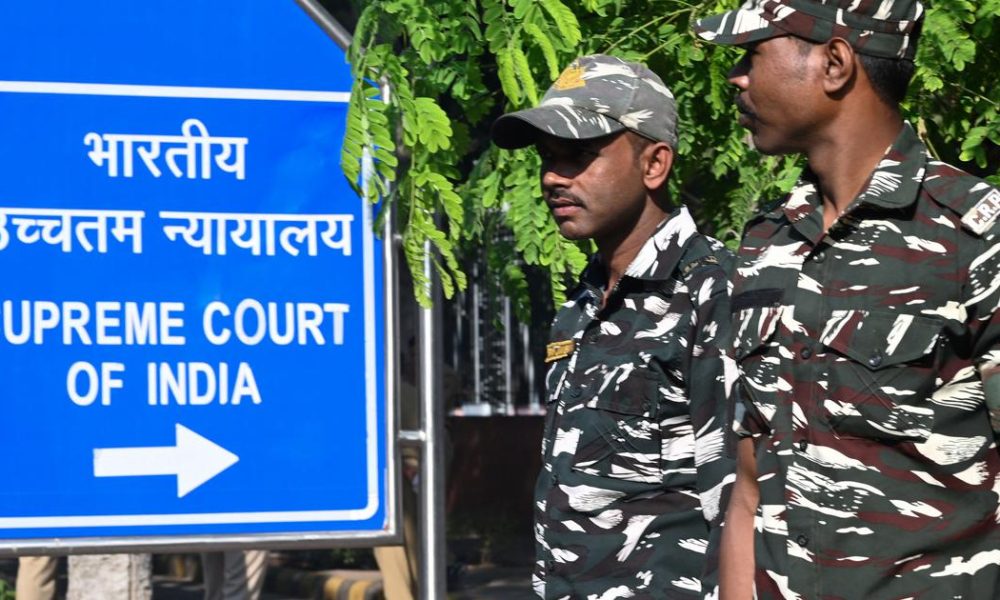
On Friday, the Supreme Court of India intervened to stay the deportation of four women who were labeled as foreigners by tribunals in Assam. The court issued notices to the central government, the Assam state administration, and the Election Commission, directing them to respond to the separate petitions within one month.
Among the women affected is Saleha Khatun, who has been detained at the Goalpara detention camp since March 2. The 50-year-old claims that a tribunal in Darrang had ruled her as a foreigner, a decision that was subsequently upheld by the Gauhati High Court. This case underscores ongoing concerns surrounding the operations of foreigners’ tribunals in Assam, which are tasked with determining citizenship status based on lineage and a cut-off date of 1971.
The foreigners’ tribunals are quasi-judicial bodies that evaluate citizenship claims primarily through documentation that individuals present to establish their family’s residency in Assam or India prior to 1971. However, these tribunals have faced significant criticism for being arbitrary and biased. Allegations have surfaced that individuals are often declared foreigners due to minor discrepancies, such as spelling errors or inadequate documentation, raising questions about the fairness of the process.
In her plea, Saleha Khatun asserted that she had provided substantial evidence to the tribunal, illustrating her connection to Indian citizens listed in the pre-1971 voter registry of Nagabandha village in Nagaon district. The evidence she submitted included linkage certificates that further corroborated her claims. Despite these submissions, the tribunal’s verdict deemed her a foreigner, prompting her appeal to the Supreme Court.
The Supreme Court’s ruling to stay the deportations is a significant development amid ongoing debates about citizenship laws and human rights in India. The situation in Assam has been particularly contentious, with many families finding themselves entangled in legal battles to prove their citizenship under the NRC (National Register of Citizens) and the Foreigners Act. As the court prepares to hear responses from the relevant authorities, the outcome of this case could have broader implications for numerous individuals facing similar circumstances.
Source: scroll.in







No Comment! Be the first one.