

Calls for Accurate Use of Rupee Symbol Highlight Cultural Sensitivity
In a recent wave of public discourse, readers have expressed their discontent regarding the absence of the official Indian rupee symbol, ₹, in articles published by the online platform Scroll. The...

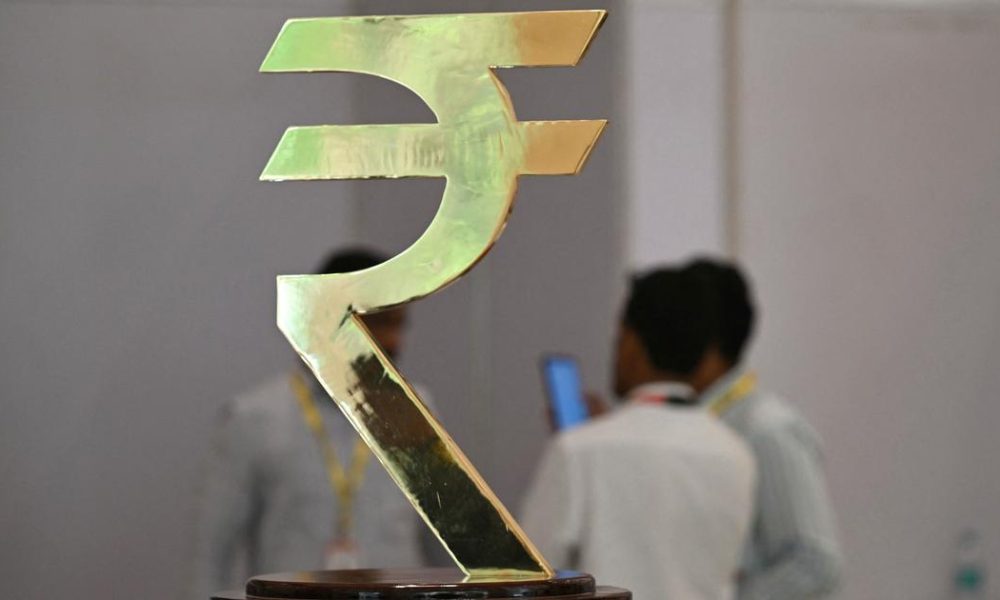
In a recent wave of public discourse, readers have expressed their discontent regarding the absence of the official Indian rupee symbol, ₹, in articles published by the online platform Scroll. The rupee symbol was officially adopted after considerable effort and recognition on the international stage, making its usage a matter of national pride. Critics argue that a reputable publication like Scroll should showcase this symbol correctly to reflect its significance in Indian culture and economy.
One commentator, Sachi Poudyal, emphasized that the rupee symbol’s introduction predates the current political landscape and is not a byproduct of the ruling Bharatiya Janata Party (BJP). This perspective suggests that the publication should refrain from associating its usage with any political narrative that may not resonate with all readers. Instead, it should focus on fulfilling its editorial responsibilities and maintaining a standard that aligns with national representations.
Furthermore, another layer of discussion emerged from comments regarding a piece that claimed India’s approach to water treaties in the context of the Padma Barrage in Bangladesh. The article ignited discussions around India’s long-standing tensions with Pakistan, including military conflicts and acts of terrorism, which have shaped the nation’s policies toward its neighbors. Critics argue that the article failed to provide a balanced view, neglecting to mention the strategic importance of water resources and the historical context that influences current diplomatic relations.
The Padma Barrage is seen as a significant infrastructure project for Bangladesh, aimed at managing water flow and supporting agriculture. However, the implications of such developments necessitate a nuanced understanding of regional dynamics. Observers suggest that treating Bangladesh’s actions through the lens of past conflicts with Pakistan risks oversimplifying complex geopolitical realities.
In conclusion, the discussion about the rupee symbol and the coverage of international treaties underscores the need for media outlets to take a more thoughtful approach in their reporting. By prioritizing accuracy and sensitivity to cultural symbols, publications can foster a more informed public discourse that transcends political affiliations and focuses on the broader narrative of India’s cultural and economic identity.
Source: scroll.in







No Comment! Be the first one.