

Pakistan’s Surge in Female Voter Registration Contrasts with Declining Election Participation
In a notable shift within Pakistan’s electoral landscape, recent statistics indicate a significant increase in the number of registered women voters ahead of the 2024 general elections. This...

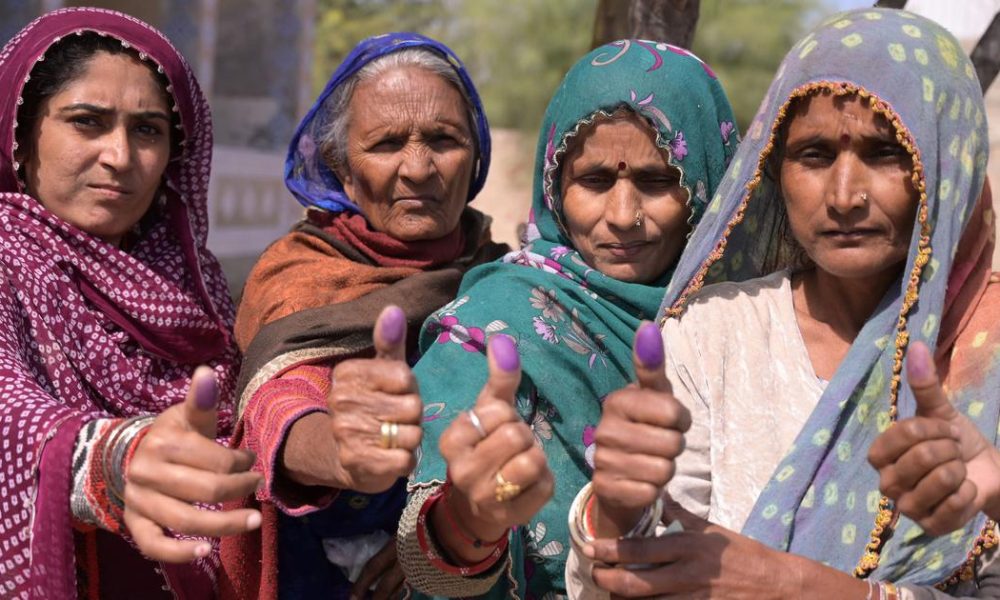
In a notable shift within Pakistan’s electoral landscape, recent statistics indicate a significant increase in the number of registered women voters ahead of the 2024 general elections. This development represents a crucial step toward bridging the gender gap in voter registration, with more women than ever officially included on electoral rolls.
According to the Election Commission of Pakistan, the total count of registered voters for the forthcoming elections stands at approximately 128.6 million, comprising around 69.3 million men and 59.3 million women. This marks a substantial rise from the 2018 elections, where roughly 105.9 million voters were registered, including 46.7 million women. The increase of over 12 million women registered to vote between the two election cycles showcases the efforts made to enhance women’s participation in the democratic process.
Despite this positive administrative progress, a paradox emerges: the overall voter turnout has declined, dropping from 52.1% in 2018 to 47.6% in 2024. This discrepancy raises critical questions about the dynamics of voter engagement in Pakistan. While more women are registering to vote, fewer citizens, including many women, are actually showing up on election day. This situation calls for an examination of the underlying factors contributing to this decline in electoral participation.
The Election Commission, along with the National Database and Registration Authority (NADRA), has implemented various initiatives over recent years aimed at encouraging women’s voter registration. These efforts included mobile registration campaigns and awareness drives targeting women, especially in rural and underprivileged regions where access to such services has traditionally been limited. Historically, numerous Pakistani women faced obstacles that barred them from being included in electoral rolls, making this increase in registration a noteworthy achievement.
However, the decline in voter turnout suggests that registering to vote is only part of the equation. Factors such as political disenfranchisement, lack of awareness about the voting process, and societal pressures may contribute to the hesitance among registered voters to participate in elections. As Pakistan approaches the 2024 elections, addressing these issues will be essential for ensuring that the increase in registered female voters translates into active political participation.
Source: scroll.in







No Comment! Be the first one.