

Indian Textile Workers Document Their Tasks to Train AI: A Double-Edged Sword
In a surprising turn of events, a video featuring textile workers from a factory in Gurugram, Haryana, has captured the attention of social media this April. The footage showcases employees of Pearl...

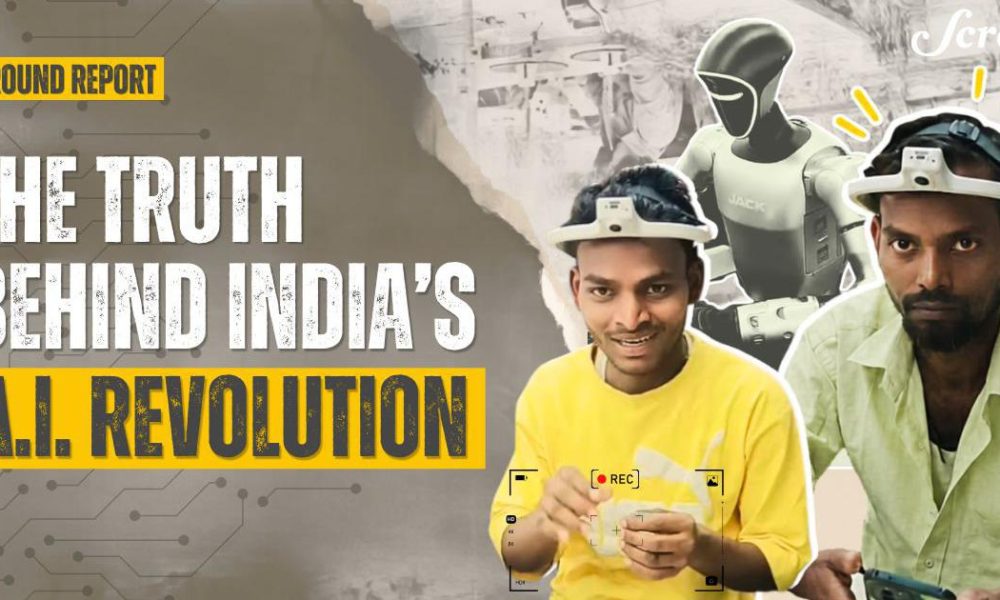
In a surprising turn of events, a video featuring textile workers from a factory in Gurugram, Haryana, has captured the attention of social media this April. The footage showcases employees of Pearl Global Industries wearing head-mounted cameras during their shifts. While the initiative was presented as a way to document their work, reports reveal that these workers were not consulted beforehand about the use of these devices.
The cameras used in this exercise are provided by a startup founded by two young entrepreneurs from Maharashtra. Their objective is to collect first-person perspectives from factory workers, which they plan to sell to tech companies working on robotics. This raises significant questions about how the captured data will be utilized and the implications for the workers involved.
At the heart of this initiative is the quest to improve artificial intelligence systems by utilizing real-world footage of human labor. The videos serve as training materials for robotics, allowing machines to learn tasks that are otherwise performed by humans. However, this method of data collection stirs a debate on ethical considerations, particularly in a country like India where labor laws and data protection regulations are still evolving.
The central issue revolves around workers’ consent and their awareness of how their personal data is being used. Although there is a growing emphasis on digital rights and privacy laws, the implementation of these regulations remains inconsistent. As AI technologies advance, the responsibility to ensure that workers are informed and protected becomes increasingly critical.
As India continues to embrace technological innovation, the need for a robust framework to safeguard the rights of workers in the face of automation and AI is imperative. The situation at Pearl Global Industries sheds light on the broader implications of using human labor to train machines, urging policymakers and industry leaders to prioritize ethical practices that respect workers’ rights.
Source: scroll.in







No Comment! Be the first one.