

Kaziranga National Park Reports Promising Population of Fishing Cats Amid Floodplains
A recent scientific survey conducted in Kaziranga National Park and Tiger Reserve has unveiled a thriving population of fishing cats (Prionailurus viverrinus), with 57 individuals recorded across the...

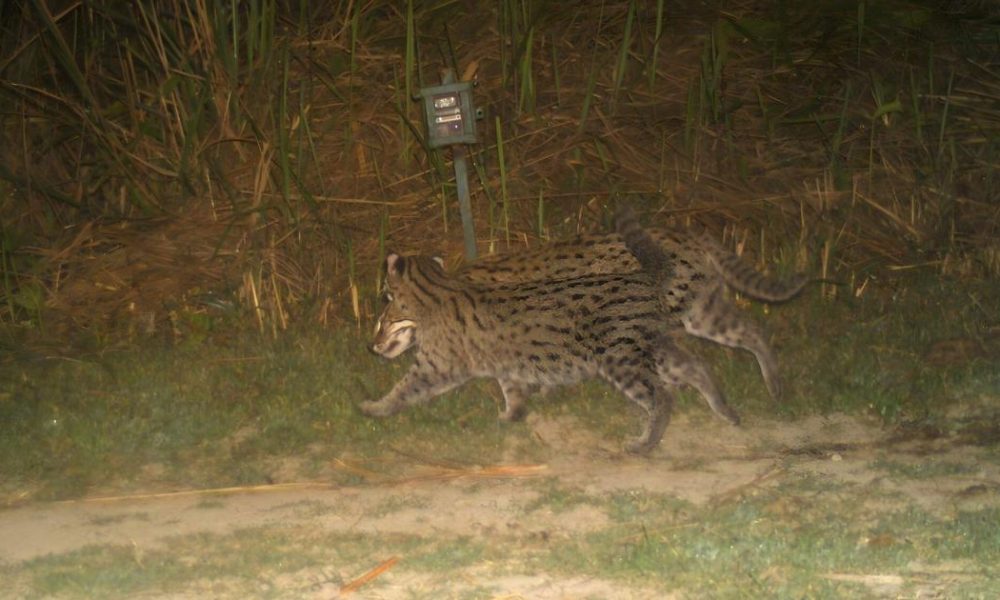
A recent scientific survey conducted in Kaziranga National Park and Tiger Reserve has unveiled a thriving population of fishing cats (Prionailurus viverrinus), with 57 individuals recorded across the floodplains of the reserve. This significant finding affirms that the species is not only widespread in the area but also actively reproducing, showcasing the ecological richness of Kaziranga.
The survey, a collaborative effort between the park’s Tiger Cell and the Fishing Cat Project, was officially announced on February 22, coinciding with International Fishing Cat Day. According to Sonali Ghosh, Director of Kaziranga National Park and Tiger Reserve, the survey results indicate that Kaziranga is one of the prime habitats for fishing cats in freshwater floodplain ecosystems. “This is one of the highest counts we’ve seen, which reinforces our understanding of Kaziranga as a vital habitat for these elusive creatures,” she remarked during a discussion with Mongabay-India.
In a unique approach to the survey, the research team utilized data collected from camera traps initially set up for monitoring tigers. Given the logistical challenges of conducting individual species surveys, particularly in such a biodiverse region, the team analyzed over 1.4 million images captured by these cameras. Ghosh highlighted the necessity of this method, stating, “Due to time and resource constraints, we cannot afford separate surveys for every species present in Kaziranga.”
However, interpreting the camera trap data presented its own set of challenges. Tiasa Adhya, a wildlife biologist and co-founder of the Fishing Cat Project, explained, “Weather conditions significantly affect the quality of images. Foggy days or rain can obscure visibility, making it difficult to capture clear images of the wildlife. Additionally, the positioning of animals in relation to the camera can impact image quality, as sometimes they may come too close or be too far away.”
The findings of this survey underscore the importance of conservation efforts in maintaining the delicate balance of Kaziranga’s diverse ecosystems. With notable populations of various species, including the fishing cat, Kaziranga continues to play a pivotal role in wildlife preservation. The positive news surrounding the fishing cat population not only reflects effective conservation strategies but also highlights the need for ongoing research and habitat protection to ensure the survival of such unique species in India.
Source: scroll.in







No Comment! Be the first one.