

Understanding the Surge of Violence in Balochistan: A Closer Look at Recent Events
In a troubling escalation of violence, Balochistan, Pakistan’s largest province, has witnessed a dramatic spike in insurgent activities recently. Within a mere ten days in late April 2026,...

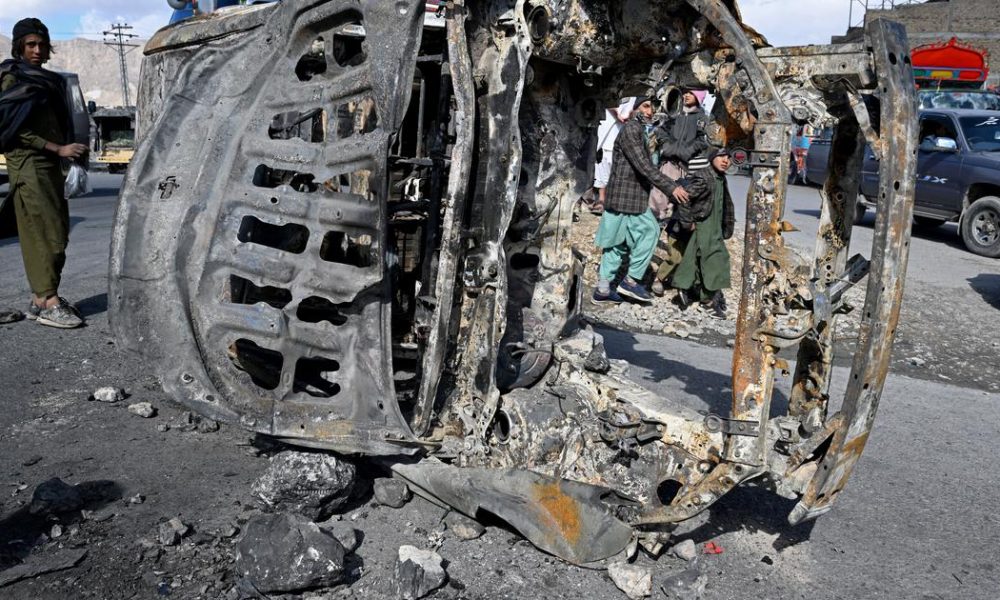
In a troubling escalation of violence, Balochistan, Pakistan’s largest province, has witnessed a dramatic spike in insurgent activities recently. Within a mere ten days in late April 2026, insurgents reportedly launched 27 attacks, resulting in the deaths of at least 42 military personnel. This surge in aggression has raised alarms, prompting questions about the underlying causes and motivations driving the unrest in a region long plagued by conflict.
The situation took a menacing turn on May 11, when authorities revealed they had thwarted a suicide bombing plot aimed at the capital city, Islamabad. In a disturbing twist, a young girl was arrested in connection with the incident, highlighting the alarming trend of militants increasingly recruiting young Baloch women for conducting attacks. This development underscores a shift in tactics among insurgent groups as they adapt to countermeasures by security forces.
The roots of the Baloch insurgency are deep and complex, entwined with both historical grievances and contemporary issues facing the Baloch people, an ethnic group comprising approximately 8 to 10 million individuals straddling parts of Pakistan and Iran. The conflict traces back to the controversial annexation of the princely state of Kalat, which has fueled a sense of injustice and marginalization among the Baloch population.
Experts such as Amira Jadoon and Saif Tahir, who specialize in the study of militant organizations, shed light on the operational dynamics of these insurgent groups. Their research indicates that the insurgency is not merely a product of local dissatisfaction; it is also influenced by broader geopolitical factors, including the strategic interests of regional powers. The ongoing conflict in Afghanistan and shifts in international attention have further complicated the landscape, with Baloch insurgents adapting their strategies to capitalize on these changing circumstances.
As the violence escalates, the implications extend beyond Balochistan’s borders, impacting regional security and stability. The Pakistani government faces the dual challenge of addressing the insurgency while managing the complexities of ethnic identity and regional autonomy. The situation remains fluid, and the coming months will be crucial in determining whether this uptick in violence signifies a new phase in the Baloch insurgency or if it can be contained through dialogue and political solutions.
Source: scroll.in






No Comment! Be the first one.