

Urban Expansion in India: Weighing Ecological Trade-offs
As India continues to surge towards urbanization, particularly in its bustling metropolitan areas, the ecological implications of this rapid transformation are becoming increasingly evident. Urban...

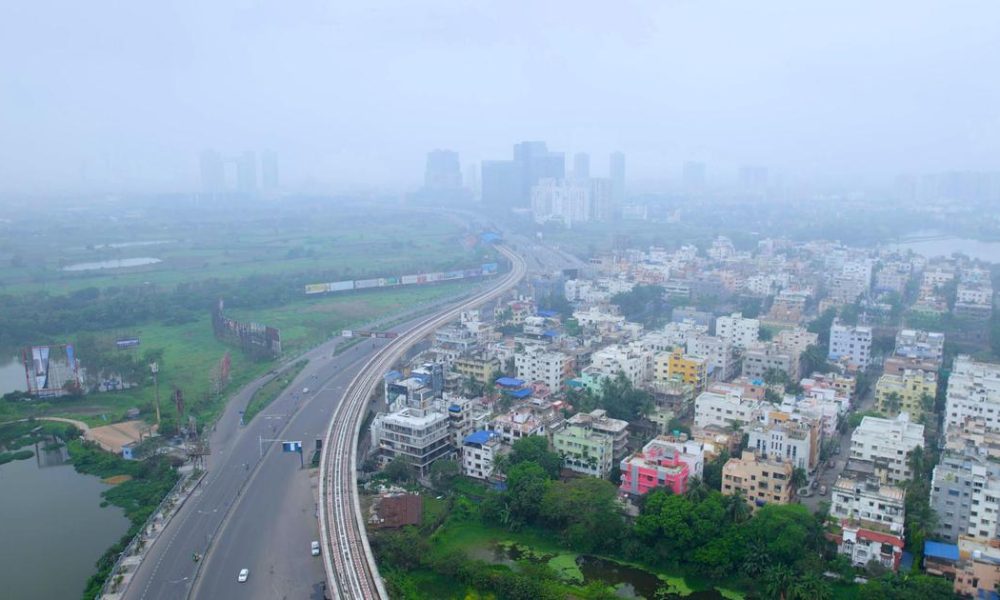
As India continues to surge towards urbanization, particularly in its bustling metropolitan areas, the ecological implications of this rapid transformation are becoming increasingly evident. Urban centers are not just hubs of economic activity but also hotspots for environmental challenges. Episode 322 of Eco India delves into the multifaceted ecological trade-offs associated with urban growth.
The push for urban development has been largely driven by the promise of better job opportunities, improved infrastructure, and enhanced living standards. However, in the race to modernize, many cities are grappling with the degradation of natural resources. The expansion of concrete jungles often leads to the loss of green spaces, which are vital for maintaining ecological balance. Deforestation, habitat destruction, and a marked decline in biodiversity are some of the serious consequences of unchecked urban sprawl.
Additionally, increased urbanization results in higher energy consumption and greater waste generation. Cities tend to become hotspots for pollution, with air quality deteriorating as vehicular emissions and industrial discharges rise. This not only affects the health of urban dwellers but also exacerbates climate change, as cities account for a significant share of global greenhouse gas emissions. In India, where many cities already face challenges regarding air quality, the situation calls for urgent attention and sustainable practices.
Moreover, the growing urban population places immense pressure on existing infrastructure, leading to inadequate housing, water shortages, and inefficient waste management systems. Informal settlements often emerge as a solution for the increasing population, but they can come at a high environmental cost. These areas frequently lack proper sanitation and waste disposal, further polluting the urban environment.
To mitigate these ecological trade-offs, it is crucial for urban planners and policymakers to adopt sustainable development strategies. Incorporating green spaces, promoting public transportation, and implementing strict regulations on waste management are essential steps towards creating eco-friendly urban centers. As India navigates its urban future, balancing growth with ecological preservation will be key to ensuring a sustainable environment for generations to come.
Source: scroll.in







No Comment! Be the first one.