

Rising Iodine Deficiency: A Concern Amid Changing Dietary Habits in India
Iodine deficiency is increasingly becoming a concern in India, despite being perceived as an issue from the past. The iodisation of salt was hailed as one of the most effective public health measures...

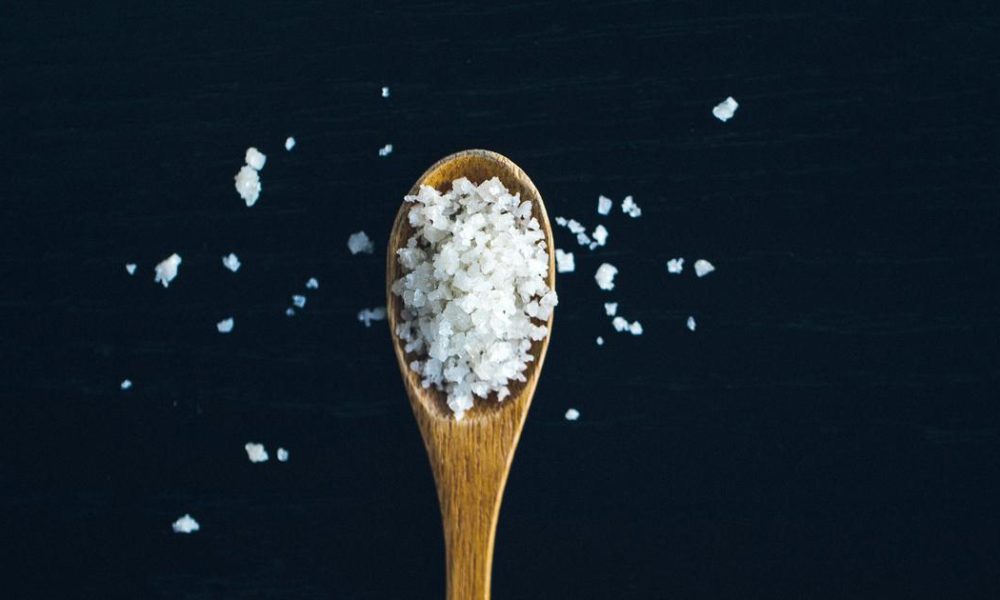
Iodine deficiency is increasingly becoming a concern in India, despite being perceived as an issue from the past. The iodisation of salt was hailed as one of the most effective public health measures during the 20th century, significantly reducing the incidence of goiter and preventing developmental impairments caused by inadequate iodine intake. The World Health Organization (WHO) continues to endorse iodised salt as a reliable method for improving iodine levels globally, a sentiment echoed by UNICEF, which regards it as the most prevalent strategy for enhancing iodine consumption.
Yet, the success of this public health initiative has led to a decline in discussions surrounding iodine deficiency, allowing it to re-emerge quietly among vulnerable populations. Recent studies indicate that certain demographics, particularly pregnant and breastfeeding women, as well as individuals adhering to restrictive diets, are at heightened risk of inadequate iodine levels. This resurgence is characterized not by the alarming symptoms witnessed in prior decades, but rather by a subtle, growing concern for deficiency that has gone unnoticed as public vigilance has diminished.
Iodine plays a crucial role in the human body as a vital micronutrient essential for the production of thyroid hormones—thyroxine (T4) and triiodothyronine (T3). These hormones are key regulators of metabolism, growth, and various physiological functions. Adequate iodine intake during pregnancy and early childhood is particularly critical, as it supports the proper development of the central nervous system and the initial stages of brain maturation. Deficiencies during these pivotal periods can lead to irreversible consequences on cognitive development.
As dietary preferences shift and salt intake gets scrutinized, the risk of iodine deficiency becomes more pronounced. In India, where dietary practices vary widely across regions and communities, the need for awareness regarding iodine-rich food sources is paramount. Traditional diets, which may lack sufficient iodine, coupled with an increasing trend towards low-sodium food choices, could hinder the intake of this essential nutrient.
Health experts advocate for renewed focus on iodine intake, urging government bodies and health organizations to reinforce the importance of iodised salt in daily diets. Initiatives promoting iodine awareness, especially among vulnerable sections of the population, must be prioritized to avert a public health crisis. As India navigates the complexities of modern dietary trends, ensuring adequate iodine intake remains a crucial aspect of safeguarding public health.
Source: scroll.in







No Comment! Be the first one.