

Supreme Court to Review Detention of Journalist Amid Noida Protest Violence, Denies Interim Relief
The Supreme Court of India has agreed to consider a petition challenging the preventive detention of Satyam Verma, a former journalist, under the National Security Act (NSA) related to the violent...

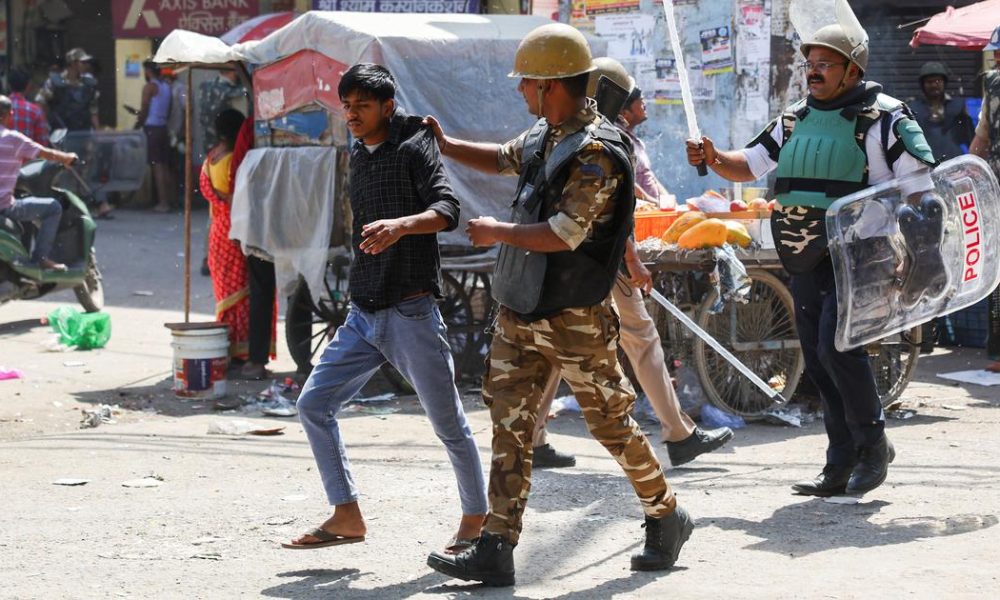
The Supreme Court of India has agreed to consider a petition challenging the preventive detention of Satyam Verma, a former journalist, under the National Security Act (NSA) related to the violent protests that occurred in Noida. However, the court declined to provide any interim relief during this process, according to reports from legal news platforms.
A bench consisting of Justices BV Nagarathna and Ujjal Bhuyan issued a notice to both the Uttar Pradesh government and the Union Government, responding to a petition filed by Verma’s wife. The petition contests the validity of the detention order against Verma, who was arrested alongside another individual, Aakriti Chaudhary, on May 13. The court articulated that the review of the detention’s legality required thorough examination before any interim measures could be granted.
The protests, which took place on April 13, were reportedly sparked by labor issues, and Verma, at 60, alongside Chaudhary, both members of the Mazdoor Bigul Dasta workers’ organization, were accused by the police of significantly contributing to the violence that ensued. The authorities alleged that the duo instigated chaos and arson, leading to public disorder during the protests.
Moreover, law enforcement has raised serious charges against Verma, claiming he received funding from foreign accounts to incite unrest. The NSA, enacted to enable long-term detention without trial for a maximum of one year, has drawn criticism for its potential misuse against dissenters and activists. The case has ignited discussions surrounding civil liberties in India, particularly in light of recent protests across the nation.
The Supreme Court’s decision to examine the case could set a significant precedent regarding the application of the NSA and the rights of individuals accused of political dissent. As the judicial process unfolds, the implications on freedom of expression and protest rights in the country are likely to come under scrutiny.
Source: scroll.in






No Comment! Be the first one.