

Big Tech Leverages Indian Factory Workers’ Data to Enhance Robotics Training
A recent viral video featuring Indian factory workers performing sewing tasks while equipped with head-mounted cameras has stirred significant interest and concern regarding the use of data in...

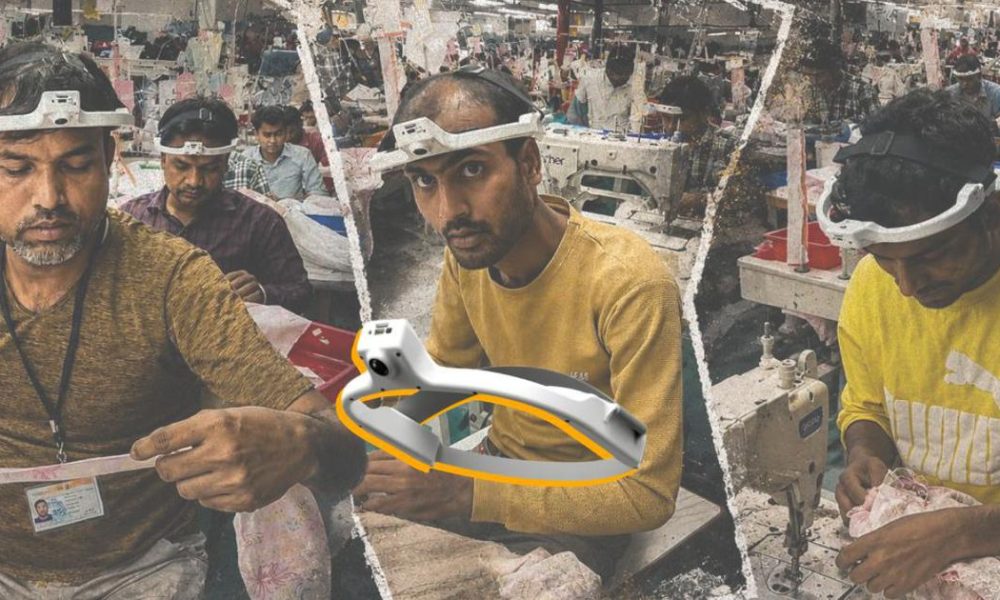
A recent viral video featuring Indian factory workers performing sewing tasks while equipped with head-mounted cameras has stirred significant interest and concern regarding the use of data in developing artificial intelligence (AI). The footage, which amassed hundreds of thousands of views, raised questions about whether these workers were inadvertently training AI systems that might ultimately replace them.
The factory in question is the Gurugram facility of Pearl Global Industries Limited, a company with a foothold in apparel manufacturing across ten countries. According to a worker at the site, they were instructed to wear the devices from 10 AM to 4 PM, under the pretext of monitoring their productivity and understanding how they utilized their work hours. “They [the executives] wanted to know what we were doing during our shifts and for how much time,” the worker revealed.
Notably, similar head-mounted devices were employed at Ken India, a textile manufacturer located in Ichalkaranji, Maharashtra, in March of the same year. In this instance, the equipment was linked to a startup called Egolab.AI, which indicated a shift in the application of such technology from mere observation to potentially training machines for complex tasks.
The advent of AI and robotics in the manufacturing sector has been met with both excitement and trepidation. While these technologies offer the promise of increased efficiency and reduced labor costs, they also pose a significant threat to traditional jobs. Many workers fear that the data collected from their activities could be utilized to create automated systems capable of performing their jobs, leading to widespread job displacement.
This trend is part of a broader global phenomenon where technology companies are increasingly delving into the realms of machine learning and robotics, often relying on human data to train algorithms. The implications of such practices are profound, particularly in a country like India, where millions rely on factory jobs for their livelihoods. As the line between human labor and machine efficiency blurs, it is essential for stakeholders—government, corporations, and workers—to engage in meaningful dialogue about the future of work in an increasingly automated world.
Source: scroll.in







No Comment! Be the first one.