

Vote Counting for Kerala Assembly Elections Set to Begin at 8 AM
The counting of votes for the highly anticipated 2026 Kerala Assembly elections is scheduled to commence at 8 AM on Monday. As political parties and alliances await the results, the state’s political...

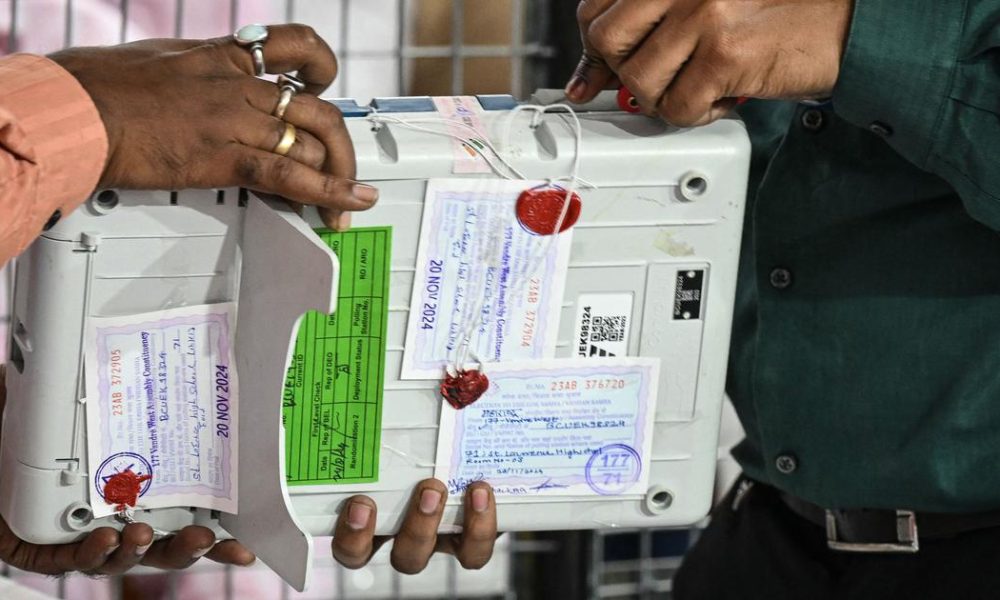
The counting of votes for the highly anticipated 2026 Kerala Assembly elections is scheduled to commence at 8 AM on Monday. As political parties and alliances await the results, the state’s political landscape hangs in balance. To secure a majority in the 140-member Assembly, a party or coalition must win at least 71 seats. This year, more than 880 candidates have thrown their hats into the ring, vying for public support in a state known for its vibrant electoral politics.
Polling took place across all 140 constituencies on April 9, achieving a notable turnout of 79.6%. The high voter turnout suggests significant public interest and engagement in the electoral process this election cycle. Preliminary exit polls indicate a favorable outlook for the Congress-led United Democratic Front (UDF), hinting at potential shifts in power dynamics in the state. The incumbent Left Democratic Front (LDF), led by Chief Minister Pinarayi Vijayan, is striving for an unprecedented third consecutive term, a formidable challenge in a state where political allegiances often shift dramatically.
The LDF made headlines in 2021 when it broke a long-standing trend of incumbents losing their positions, securing an impressive 99 seats in the previous Assembly elections, while the UDF managed to claim only 41. The stakes are high this time around as the UDF attempts to regain ground, and the Bharatiya Janata Party (BJP), through its National Democratic Alliance (NDA), seeks to make a significant impact in Kerala’s political scene.
This election is set against the backdrop of a meticulous revision of the electoral rolls conducted by the Election Commission, which modified registrations in 12 states and Union Territories, including Kerala. Over eight lakh voters were removed from the electoral lists during this process that began in November, likely affecting the dynamics of the election. Past elections have shown that many constituencies are tightly contested, with narrow margins leading to unexpected outcomes. This year’s results could further reflect the changing priorities and preferences of Kerala’s electorate.
As the counting begins, all eyes will be on the results, with implications that could reshape the political fabric of Kerala. Observers and political analysts will closely monitor the trends, particularly in constituencies where the margins were slim in previous elections. The outcome will not only determine the future governance of Kerala but may also influence political strategies across the country.
Source: scroll.in





No Comment! Be the first one.