

Antikythera Mechanism – The World’s First Analog Computer?
The Antikythera Mechanism is one of the most remarkable archaeological discoveries in history. It is a sophisticated bronze gear-driven device believed to have been built between 150–100 BCE, making...

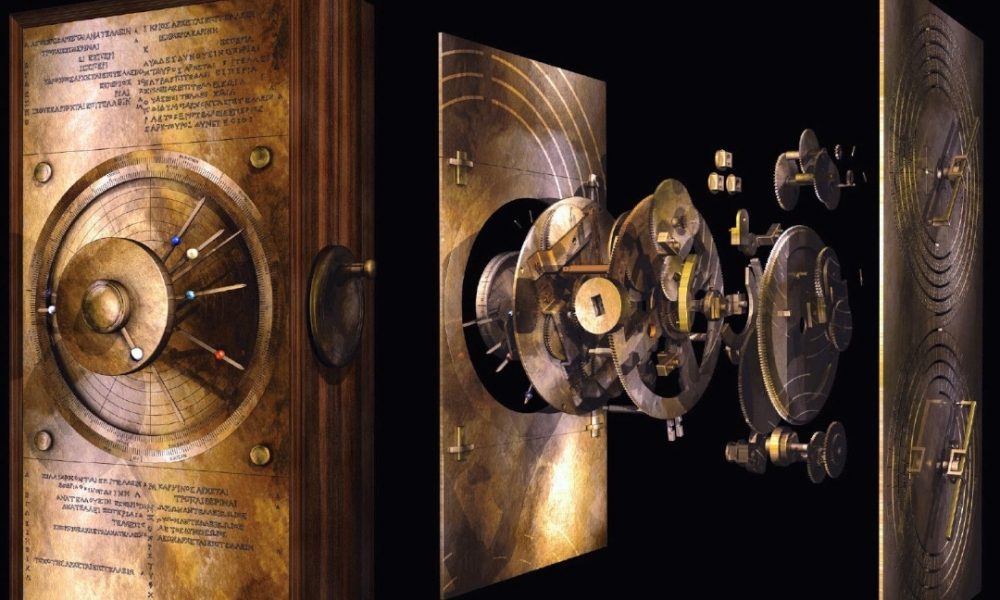
The Antikythera Mechanism is one of the most remarkable archaeological discoveries in history. It is a sophisticated bronze gear-driven device believed to have been built between 150–100 BCE, making it over 2,100 years old.
Discovery
The mechanism was discovered in 1901 by sponge divers in the remains of an ancient shipwreck near the Greek island of Antikythera.
What Was It Used For?
Researchers believe the device was designed to:
Predict solar and lunar eclipses.
Track the movements of the Sun, Moon, and some planets.
Calculate the Greek calendar.
Determine the dates of major events, including the Ancient Olympic Games.
Why Is It So Important?
It contains more than 30 precision-cut bronze gears.
It is widely regarded as the world’s first known analog computer.
Its engineering was centuries ahead of its time, with similar mechanical complexity not appearing again in Europe until medieval astronomical clocks.
Ongoing Mystery
Although modern X-ray imaging has revealed much about its design, historians still do not know who built it or how such advanced engineering knowledge developed in the ancient world.






No Comment! Be the first one.