

Exploring the Promises and Challenges of Renewable Energy Adoption in India
In recent years, India has emerged as a significant player in the global renewable energy sector. With ambitious targets set by the government and a growing commitment to sustainability, the...

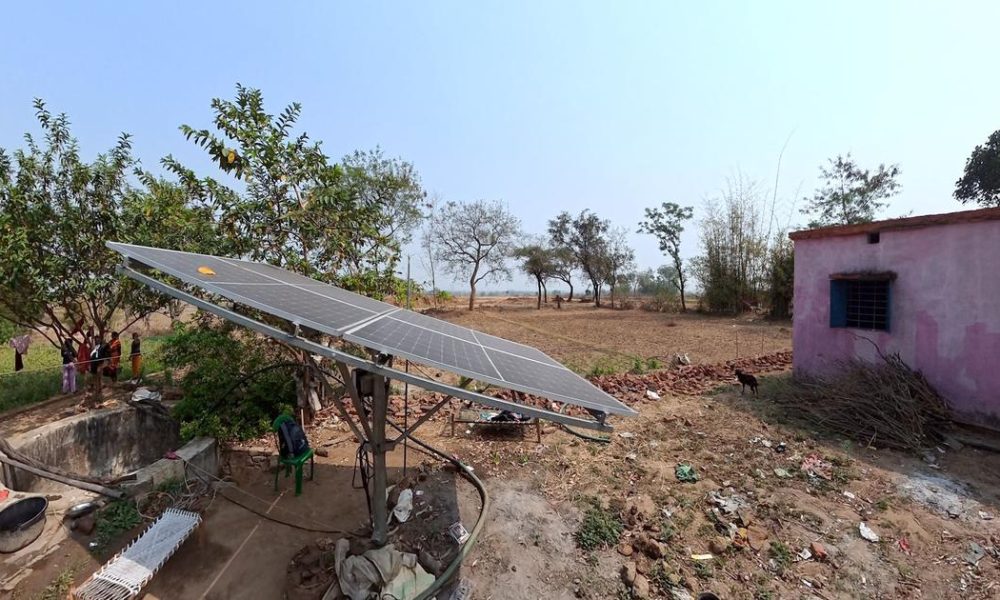
In recent years, India has emerged as a significant player in the global renewable energy sector. With ambitious targets set by the government and a growing commitment to sustainability, the transition to renewable energy sources, such as solar and wind power, holds great promise for the nation. However, this shift is not without its challenges, as stakeholders navigate complex economic, environmental, and infrastructural factors.
India’s energy landscape has been shaped by a heavy dependence on fossil fuels, primarily coal, which accounts for a substantial portion of the country’s energy production. Recognizing the catastrophic effects of climate change, India has pledged to increase its renewable energy capacity to 500 GW by 2030. This commitment aligns with global efforts to combat climate change while also aiming to enhance energy security and reduce air pollution levels.
One of the key advantages of transitioning to renewable energy is the potential for sustainable economic growth. The renewable sector promises to create millions of jobs, stimulate technological innovation, and attract foreign investment. Furthermore, harnessing abundant solar and wind resources can significantly lower energy costs in the long run, providing a more stable and reliable power supply to all sectors of the economy.
Despite the optimistic outlook, several challenges persist. The integration of renewable sources into the existing grid infrastructure poses technical hurdles, requiring substantial investment and modernization efforts. Additionally, there are concerns regarding land acquisition, regulatory frameworks, and the need for energy storage solutions to ensure a consistent supply of power, especially during peak demand times.
Furthermore, the socio-economic implications of this transition cannot be overlooked. While renewable energy has the potential to uplift many, it also threatens traditional jobs in coal mining and other fossil fuel sectors. Balancing these transitions with the interests of affected communities remains a crucial aspect of India’s energy policy moving forward.
As India continues its journey towards renewable energy, collaboration between government, private sector, and civil society will be essential. Comprehensive strategies that address both the promises and challenges of this transition can pave the way for a cleaner, greener future for the country. The path is fraught with obstacles, but the potential benefits make the pursuit of renewable energy an important and timely endeavor for India.
Source: scroll.in







No Comment! Be the first one.