

Delhi High Court Requests Police Input on Umar Khalid’s Bail Request in 2020 Riots Case
The Delhi High Court has requested the police to provide their response regarding the bail plea submitted by activist Umar Khalid, connected to the conspiracy case related to the 2020 Delhi riots....

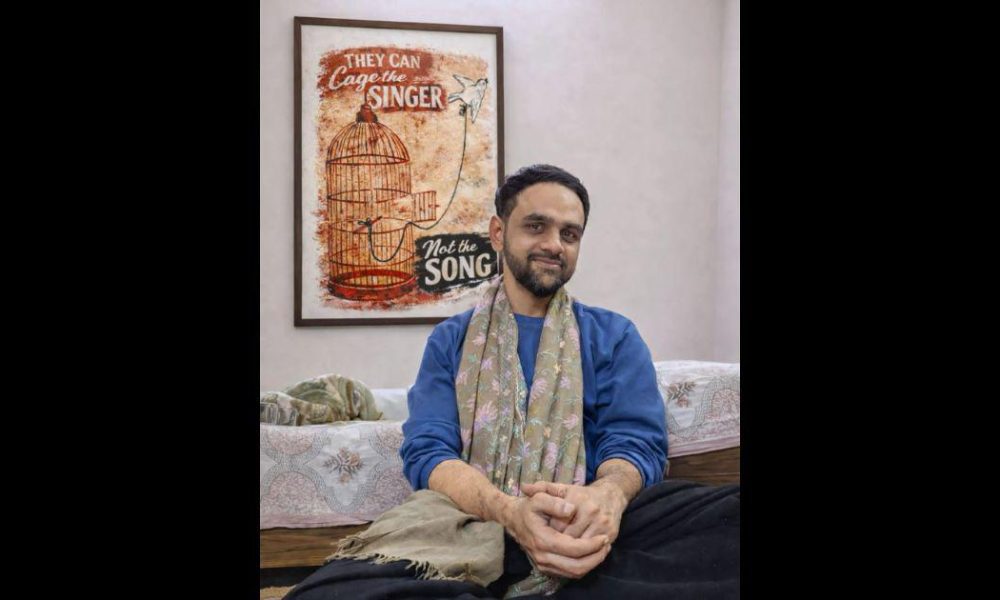
The Delhi High Court has requested the police to provide their response regarding the bail plea submitted by activist Umar Khalid, connected to the conspiracy case related to the 2020 Delhi riots. Khalid’s plea seeks interim bail, mirroring the grounds on which two other accused individuals, Tasleem Ahmad and Abdul Khalid Saifi, were granted six months of interim bail by the Supreme Court earlier this year on May 22.
A division bench comprising Justices Prathiba Singh and Vikas Mahajan is scheduled to hear Khalid’s plea on August 27. This hearing will include the regular bail application of another activist, Sharjeel Imam, who is also implicated in the riots case. The proceedings come against the backdrop of ongoing scrutiny and legal battles surrounding the arrests of various activists, including Khalid and Imam, who were detained during the tumultuous period between January and September 2020.
The riots erupted in February 2020 in North East Delhi, primarily fueled by tensions between supporters of the Citizenship Amendment Act (CAA) and those vehemently opposing it. This communal violence tragically resulted in the deaths of 53 individuals, with a significant number of the victims being from the Muslim community. In light of these events, a substantial number of activists have faced serious charges under several laws, including the Unlawful Activities (Prevention) Act (UAPA), the Prevention of Damage to Public Property Act, the Arms Act, and various sections of the Indian Penal Code.
The police have alleged that the riots were not merely spontaneous but were part of a more extensive conspiracy aimed at undermining the Narendra Modi-led government. This assertion has led to intense debates and discussions regarding freedom of expression, the role of activists in civil society, and the political implications of the CAA and related protests. Khalid’s case, in particular, has become emblematic of the broader issues of dissent and governmental response in contemporary India.
As the court proceedings continue, all eyes will be on the arguments presented by both the petitioners and the police, as Khalid and Imam’s cases not only highlight individual struggles but also reflect the ongoing societal divides and political tensions that have emerged in India over the past few years.
Source: scroll.in




No Comment! Be the first one.