

Surge in Online Hate Against South Asians in the U.S.: Study Reports 240% Increase
A recent study conducted by the Center for the Study of Organized Hate, based in Washington D.C., has revealed a staggering 240% increase in online hate directed towards South Asians in the United...

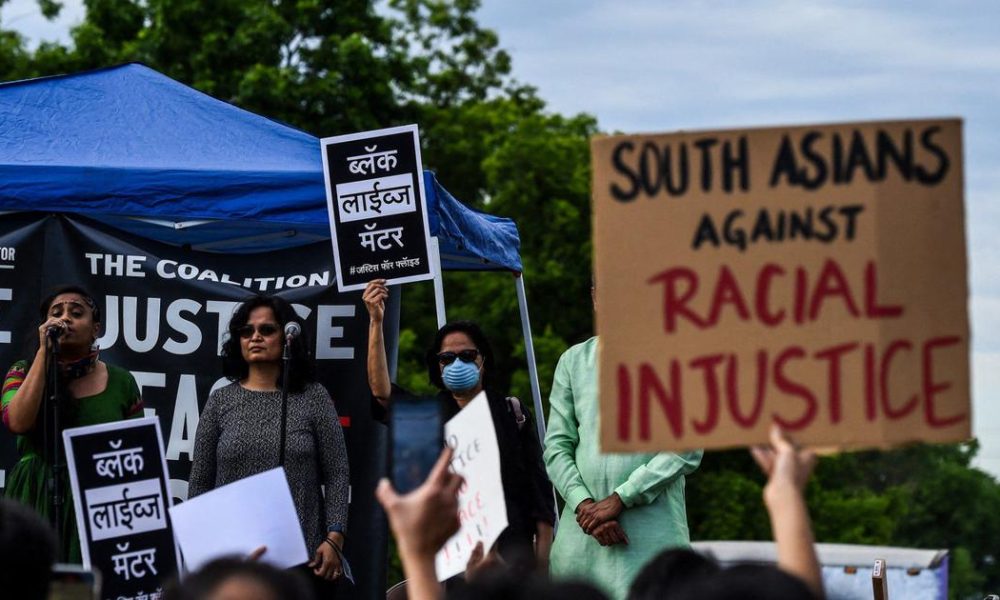
A recent study conducted by the Center for the Study of Organized Hate, based in Washington D.C., has revealed a staggering 240% increase in online hate directed towards South Asians in the United States from January 2024 to June 2026. This alarming trend highlights a growing concern regarding the safety and well-being of South Asian communities, which include individuals of Indian, Pakistani, Bangladeshi, and other South Asian heritages.
According to the findings published on Monday, social media platform X has been a hotspot for racially charged content, with over half a million posts containing derogatory, dehumanizing, and xenophobic language specifically aimed at South Asians between January 2025 and June 2026. The data indicates that the monthly volume of such hate speech has surged by 75% during the study period, underscoring a sharp escalation in anti-South Asian sentiment over recent years.
The study meticulously analyzed various social media platforms, including fringe sites like 4chan, 8chan, and Gab, and identified nearly 400,000 hateful posts aimed at South Asians in 2025 alone. The timeline revealed that five out of the six months with the highest volume of hate speech occurred between November 2025 and June 2026, suggesting that the issue is not merely a phase but rather an intensifying crisis that requires urgent attention.
Experts from the Center for the Study of Organized Hate remarked on the disturbing nature of these findings, noting that the hatred directed towards South Asians transcends national, religious, and political affiliations. This indicates a broader societal issue, where individuals from diverse backgrounds—whether Indian, Pakistani, Bangladeshi, Sikh, or Hindu—are facing similar levels of online abuse and discrimination. Such a trend raises questions about the effectiveness of current measures being taken to combat hate speech and protect marginalized communities.
As the study concludes, it calls for a concerted effort from policymakers, social media companies, and community leaders to address the rising tide of online hate. With increased awareness and proactive measures, it is hoped that the digital landscape can become a safer space for all individuals, allowing for a more inclusive and respectful discourse. The need for vigilance and active engagement has never been more critical as these online platforms continue to shape public opinion and cultural narratives.
Source: scroll.in






No Comment! Be the first one.