

Youth Protests at Jantar Mantar: A New Wave of Satire and Activism in India
The recent surge of student protests at Jantar Mantar has captured the attention of the nation, highlighting a profound crisis in India’s education system. In the latest episode of ‘Yeh...

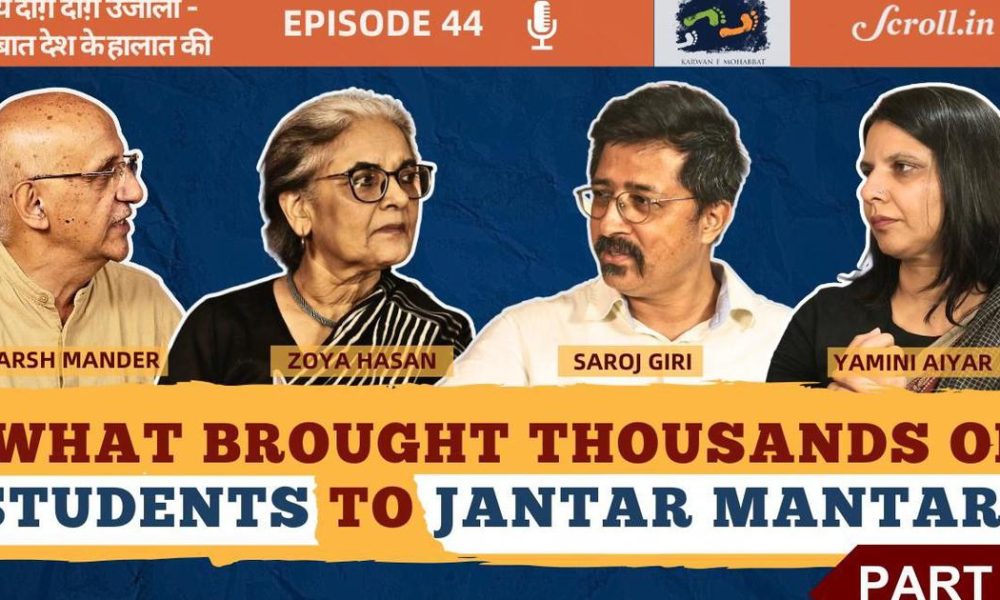
The recent surge of student protests at Jantar Mantar has captured the attention of the nation, highlighting a profound crisis in India’s education system. In the latest episode of ‘Yeh Daagh Daagh Ujala,’ renowned writer and activist Harsh Mander engages in a thought-provoking dialogue with esteemed political figures Zoya Hasan, Saroj Giri, and Yamini Aiyar. The discussion explores the creative methods employed by India’s youth to express dissent, particularly through satire and humor, which have become instrumental in shaping a new language of protest.
As India grapples with a multitude of educational challenges, the conversation delves into issues such as jobless growth and rampant examination fraud that have left many young people disillusioned. The panelists argue that the crisis extends beyond the resignation of the education minister; it represents a deeper systemic failure that requires comprehensive reform and accountability from the state. For many students, the protests signify a demand for their constitutional rights and a call for transparency in governance.
Zoya Hasan, a political scientist and Professor Emerita at Jawaharlal Nehru University, emphasized the importance of understanding the broader context of these protests, which transcend the singular incidents that ignite them. Saroj Giri, an associate professor of political science at Delhi University, echoed this sentiment, noting that the young generation is not just reacting to immediate grievances but also challenging the status quo in a country where the public education system has struggled to meet the needs of its youth.
Yamini Aiyar, the former president of the Centre for Policy Research, pointed out that the current protests are fueled by a generation that feels marginalized and unheard. This sentiment has found expression not only through traditional forms of activism but also through innovative channels such as social media, where memes and satirical content have resonated widely among the youth. The ability to use humor as a form of resistance speaks volumes about this generation’s resilience and determination to effect change.
In summary, the discussions at Jantar Mantar reflect a pivotal moment in India’s educational landscape, as students assert their rights and demand accountability in governance. As these protests continue to unfold, they serve as a reminder of the potential for societal transformation when the voices of the youth are amplified through creativity and steadfast resolve.
Source: scroll.in







No Comment! Be the first one.