

Impact of Cow Slaughter Bans on Livelihoods: A Deep Dive into Current Issues
The reverence for cows in Indian culture has been a longstanding tradition, woven into the fabric of society for centuries. However, recent developments have transformed this gentle creature into a...

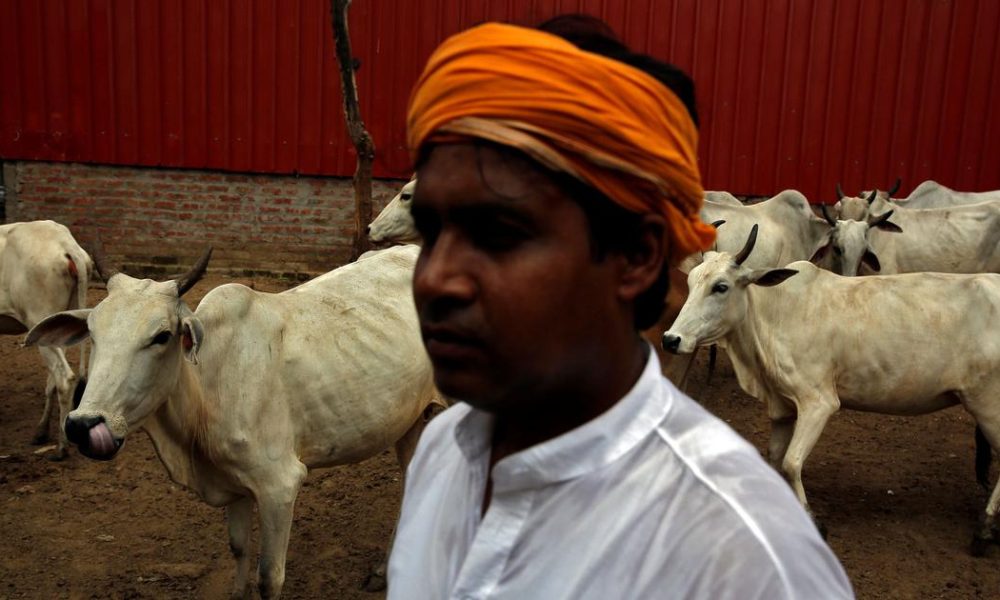
The reverence for cows in Indian culture has been a longstanding tradition, woven into the fabric of society for centuries. However, recent developments have transformed this gentle creature into a focal point of political and social conflict. In states governed by the Bharatiya Janata Party (BJP), stringent cow protection laws have not only criminalized cow slaughter but have also led to severe repercussions for communities reliant on cattle for their livelihoods.
As of now, only eight states in India—Kerala, Goa, West Bengal, Arunachal Pradesh, Meghalaya, Nagaland, Mizoram, and Tripura—permit the slaughter of cows. In stark contrast, other states under BJP rule have enacted increasingly harsh regulations, often imposing penalties that rival those for serious crimes such as manslaughter. These changes have significantly impacted farmers, butchers, and leather workers, many of whom find themselves on the brink of economic ruin.
The legislation surrounding cow protection has evolved to broaden the definition of what constitutes a cow, encompassing unproductive bovines and complicating the legal framework around trade and transportation. In many regions, the rise of vigilante groups—often collaborating with law enforcement—has intensified the climate of fear and intimidation. This has resulted in a crackdown on not only the slaughter of cows but also on the movement and trade of cattle, further exacerbating the economic plight of those involved in the meat and leather industries.
Historically, the legal stance on cow slaughter was more permissive. A pivotal Supreme Court ruling in 2005 had established that a blanket ban on cattle slaughter violated the fundamental rights of butchers to conduct their trade. However, subsequent rulings have reversed this position, allowing for stricter regulations that effectively curtail the rights of individuals and communities dependent on these livelihoods.
The consequences of these laws extend beyond economics and touch on the broader social fabric of India. Communities that have traditionally relied on cattle for sustenance and income now face uncertainty and fear as their way of life is challenged. The policies intended to protect cows have inadvertently led to the marginalization of several communities, raising questions about equity and justice in a diverse nation.
Source: scroll.in





No Comment! Be the first one.