

Supreme Court Dismisses Challenges to Amit Shah’s Discharge in Sohrabuddin Sheikh Case
The Supreme Court of India has firmly stated that it will not entertain any appeals questioning the discharge of Union Home Minister Amit Shah in the notorious Sohrabuddin Sheikh encounter case. This...

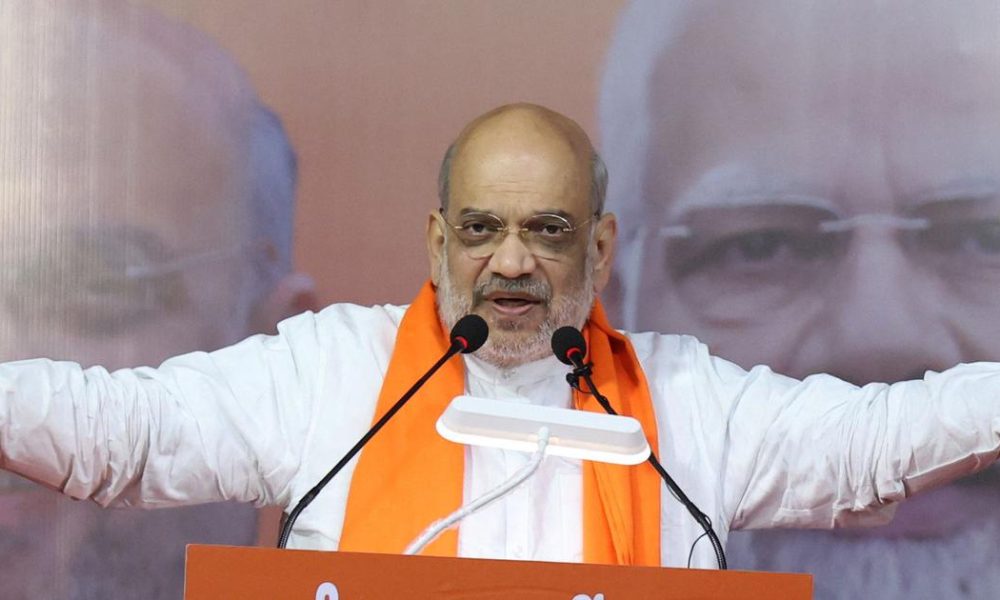
The Supreme Court of India has firmly stated that it will not entertain any appeals questioning the discharge of Union Home Minister Amit Shah in the notorious Sohrabuddin Sheikh encounter case. This declaration came during a session on Monday, where the court addressed an appeal filed by Rubabuddin Sheikh, Sohrabuddin’s brother, who is contesting the Bombay High Court’s decision to uphold the acquittal of 22 accused, including police personnel linked to the case.
Rubabuddin Sheikh has sought justice and accountability in a case that has drawn significant attention and controversy over the years. The Supreme Court’s order signifies a crucial juncture for those seeking to revisit the events surrounding the alleged staged killings of Sohrabuddin Sheikh and his associate Tulsiram Prajapati, as well as the murder of Sohrabuddin’s wife, Kauser Bi. The court has asked the Central Bureau of Investigation (CBI) to respond to the appeal, along with the 22 individuals implicated in the case.
The tragic saga began in November 2005, when Sohrabuddin Sheikh, identified as a wanted criminal, was reportedly killed by Gujarat police in what was termed an “encounter.” Allegations have emerged suggesting that this encounter was orchestrated, raising serious questions about police conduct and accountability. At the time, Sohrabuddin and his wife were traveling from Hyderabad to Sangli when they were intercepted by police forces from Gujarat and Rajasthan. Eyewitness accounts allege that both were abducted and subsequently murdered near Gandhinagar.
Adding to the horror of the case, Kauser Bi was reported to have been sexually assaulted by law enforcement officials before her death. Tulsiram Prajapati, who was allegedly the sole witness to these heinous acts, was later killed in another police encounter in December 2006, under the pretext that he was attempting to escape custody. The series of events surrounding these encounters has raised numerous eyebrows and questions about the legitimacy of police operations in India.
Shah, who previously held the position of the Gujarat Home Minister, faced accusations during the investigations, but he has consistently maintained his innocence. The Supreme Court’s decision not to review his discharge is a significant development in a case that has been mired in legal battles and public scrutiny for almost two decades. As this case continues to unfold, it remains a focal point of discussions regarding law enforcement practices and the pursuit of justice in India.
Source: scroll.in


No Comment! Be the first one.