

The Legacy of Banda Singh Bahadur: Architect of the First Sikh Empire Against Mughal Oppression
The struggle for independence and identity among the Sikhs in the 18th century reached a significant turning point with the rise of Banda Singh Bahadur. His leadership became a beacon of hope for...

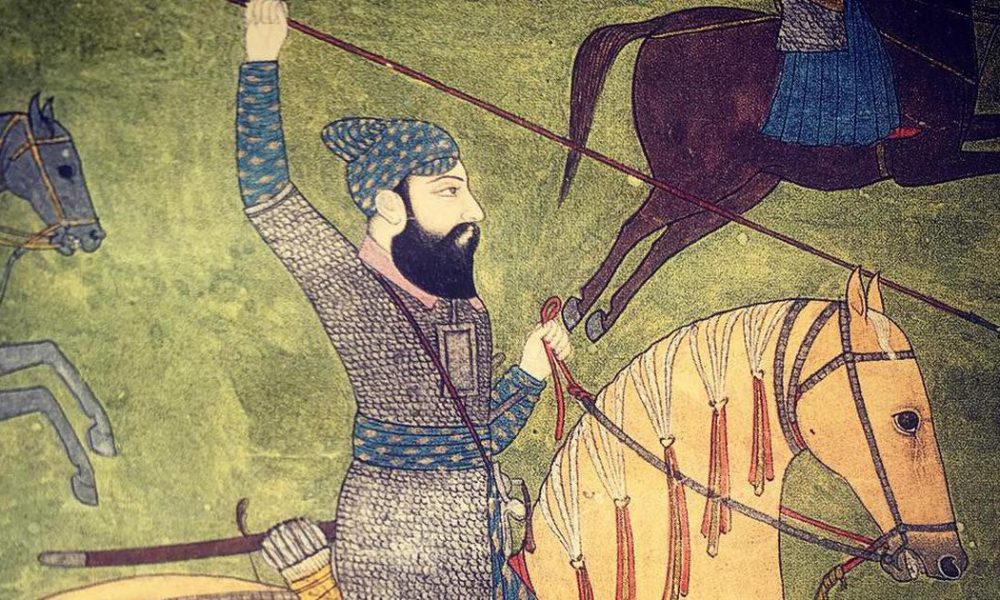
The struggle for independence and identity among the Sikhs in the 18th century reached a significant turning point with the rise of Banda Singh Bahadur. His leadership became a beacon of hope for many, particularly during times when the Mughal Empire sought to quash Sikh resistance. The Battle of Malerkotla stands as a grim reminder of the brutal confrontations that ensued, resulting in the martyrdom of thousands of innocents, including women, children, and the elderly, who were caught in the crossfire of this fierce conflict.
In 1764, after the raid on Sirhind, Baghel Singh emerged as a pivotal figure in expanding Sikh influence beyond the geographical confines of Punjab. His ambition led to strategic incursions into the cis-Yamuna territories, where he not only aimed to establish control but also sought to exact tributes from regions as far as Meerut and the Nawabs of Awadh. By redistributing land to farmers and dismantling the zamindari system, he endeavored to restore dignity and self-respect to the agrarian populace. Such reforms, aimed at reducing systemic corruption, garnered him substantial support from the masses, effectively rallying them around the cause of Sikh autonomy.
Banda Singh Bahadur’s military exploits were initially marked by success, which alarmed the Mughal emperor Bahadur Shah. In a bid to suppress the burgeoning Sikh uprising, the emperor mobilized a substantial force, leading to a series of intense confrontations. While Banda Singh managed to evade capture for a time, the relentless pursuit by the Mughal army ultimately led to a siege of his stronghold at Lohgarh. Despite the overwhelming odds, Banda Singh’s resistance played a crucial role in establishing the military capabilities of the Sikhs, laying the groundwork for what would later blossom into the Sikh Empire under Maharaja Ranjit Singh.
The legacy of Banda Singh Bahadur is not merely one of military might but also of socio-political reform that resonated deeply within the Sikh community. His vision for a society free from oppressive feudal systems set a precedent for future leaders and nurtured a sense of collective identity among Sikhs. Today, as India reflects on its rich tapestry of history, the contributions of figures like Banda Singh Bahadur remind us of the persistent struggle for justice, autonomy, and self-determination against colonial powers.
As we delve deeper into India’s historical narratives, the story of Banda Singh Bahadur stands out as an enduring symbol of resilience and courage. His efforts not only fortified the Sikh community against external aggression but also paved the way for a unified Sikh identity that continues to inspire generations.
Source: scroll.in







No Comment! Be the first one.