

Jazz Yatra: Bridging Cultural Divides Through Music in India
The vibrant cultural tapestry of India has long been enriched by various art forms, and one of the most iconic celebrations of this diversity is the Jazz Yatra. Held in Bombay, now Mumbai, this...

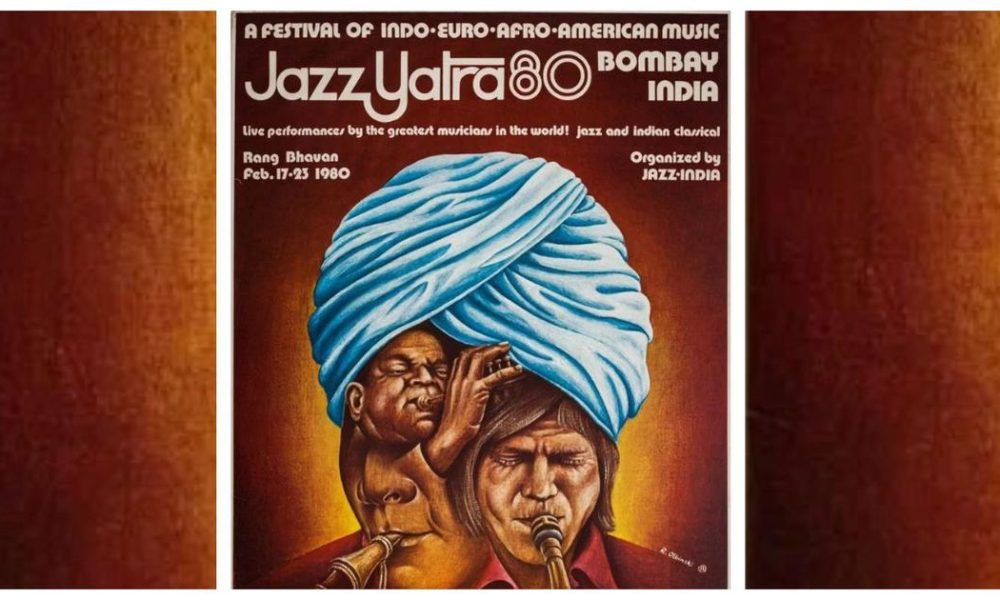
The vibrant cultural tapestry of India has long been enriched by various art forms, and one of the most iconic celebrations of this diversity is the Jazz Yatra. Held in Bombay, now Mumbai, this remarkable music festival emerged in 1978 and continued for a quarter of a century, gaining recognition as the longest-running jazz festival outside of the United States and Europe.
Jazz Yatra, meaning “pilgrimage” in Sanskrit, represented more than just a series of concerts; it was a confluence of styles and ideologies that defied the prevailing divisions of the Cold War era. The festival became a significant venue for artists from different backgrounds to collaborate, blending jazz with Indian classical music, thereby creating a unique fusion that highlighted the interconnectedness of global music traditions. The promotional artwork for the 1980 event encapsulated this vision beautifully, featuring a striking design that showcased musicians embracing a blend of Indo-Euro-Afro-American influences.
Throughout its 25-year journey, Jazz Yatra attracted world-renowned musicians, not just from India but also from various parts of the globe. This diverse lineup drew in audiences who were eager to experience the rich sounds of jazz intertwined with the complexities of Indian musical heritage. The festival was a space where cultural barriers were broken down, fostering an atmosphere of mutual respect and collaboration among artists of different nationalities.
Each year, the festival served as an important pilgrimage for music lovers and performers alike, echoing the essence of unity in diversity that is so deeply ingrained in Indian culture. By showcasing a variety of musical forms, Jazz Yatra played a crucial role in promoting jazz as a universal language, capable of transcending geographical and ideological boundaries.
As the festival evolved, it also reflected the changing dynamics of global music trends. The presence of international artists on stage not only enriched the performances but also highlighted the cultural diplomacy that music can achieve. In a world often marked by division, Jazz Yatra stood as a testament to how art can bridge gaps and foster understanding among people from various walks of life.
Source: scroll.in



No Comment! Be the first one.