

Bali’s Traditional Fishing Canoes Disappear Amidst Rising Tourism
In the enchanting landscape of Bali, once dotted with vibrant traditional fishing canoes adorned with intricate carvings, a significant transformation is underway. The island, now a global tourism...

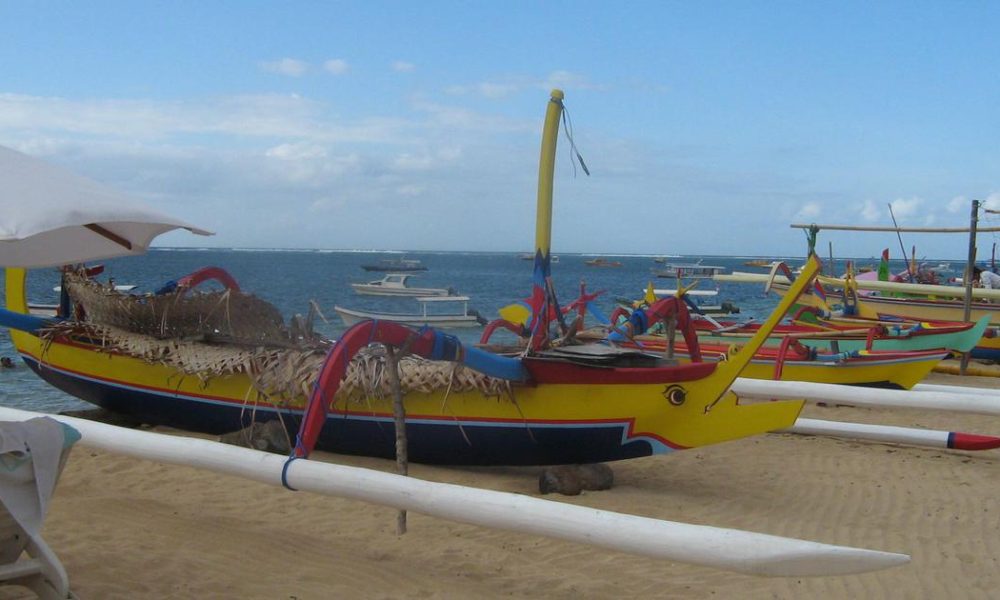
In the enchanting landscape of Bali, once dotted with vibrant traditional fishing canoes adorned with intricate carvings, a significant transformation is underway. The island, now a global tourism hotspot, has witnessed the gradual extinction of its iconic fishing vessels, known as jukung pelasan. This shift not only reflects changing coastal dynamics but also poses a larger question about the preservation of Indonesia’s rich maritime heritage.
For decades, fishing communities thrived along Bali’s southern coastline, particularly in areas like Benoa, Nusa Dua, and Sanur. The jukung pelasan, double-outrigger sailing canoes crafted from timber, featured the gajah mina—an emblematic creature in Balinese mythology, representing the unity between land and sea. These canoes were not merely vessels for fishing; they held deep cultural significance, symbolizing community identity and spiritual beliefs. They were an integral part of the daily lives of local fishermen, encapsulating generations of craftsmanship and maritime wisdom.
However, the tourism boom has led to a decline in traditional fishing practices and the gradual disappearance of these once-vibrant boats. As Bali’s beaches transformed into bustling tourist attractions, the traditional fishing industry has faced unprecedented challenges. My recent findings, published in the International Journal of Nautical Archaeology, indicate that only a mere six intact jukung canoes remain today. This stark reduction signals a loss not just of physical boats, but of a way of life that has sustained Balinese communities for centuries.
This trend raises critical questions about the importance of preserving cultural heritage in the face of modernization. As Bali continues to develop its tourism sector, there is an urgent need for strategies that balance economic growth with the safeguarding of local traditions and practices. The jukung not only represent the island’s fishing history but also serve as a reminder of the deep-rooted connection between the Balinese people and their maritime environment.
As we witness the transformation of Bali’s coastline, it becomes increasingly vital to reflect on the implications of such changes. The loss of traditional fishing canoes underscores the need for a concerted effort to protect and revitalize these important cultural symbols, ensuring that future generations can appreciate the richness of their heritage. In a world where cultural identities often face the threat of erasure due to global influences, the preservation of the jukung pelasan is a testament to the resilience of Bali’s maritime traditions.
Source: scroll.in







No Comment! Be the first one.