

Supreme Court Upholds Clean Chit for BJP Leaders Anurag Thakur and Parvesh Verma in Hate Speech Case
The Supreme Court of India has firmly dismissed a petition that sought a review of its earlier ruling concerning BJP leaders Anurag Thakur and Parvesh Verma, who were accused of making hate speech...

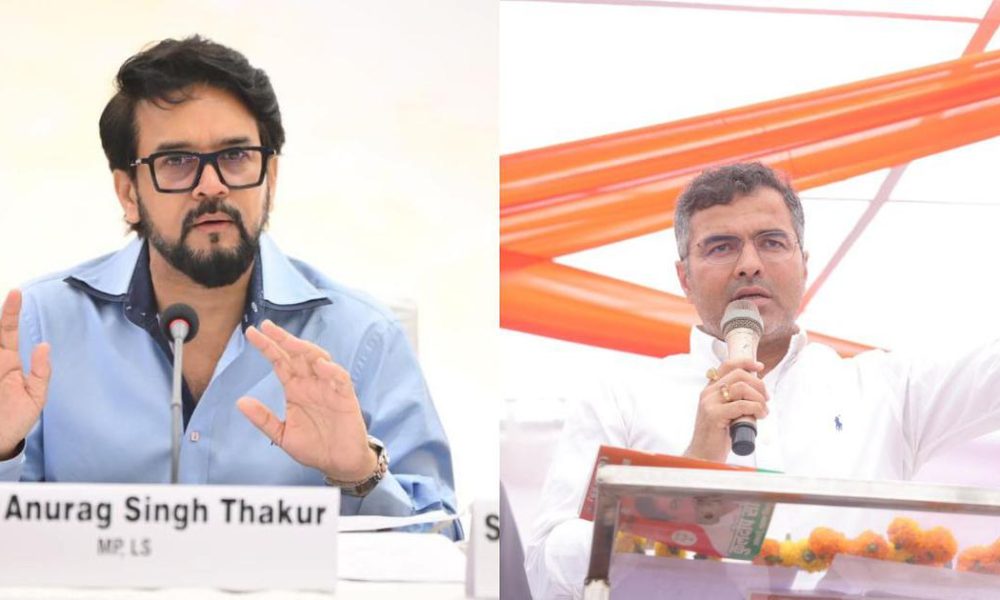
The Supreme Court of India has firmly dismissed a petition that sought a review of its earlier ruling concerning BJP leaders Anurag Thakur and Parvesh Verma, who were accused of making hate speech during a rally in January 2020. The court’s decision reinforces its previous finding that no cognizable offense had been established against the two leaders, a verdict that has sparked significant controversy.
In the rally, Thakur was recorded encouraging the crowd with the incendiary phrase “desh ke gaddaron ko,” to which the audience responded with the equally provocative chant, “goli maaro saalon ko.” Translated, this means “shoot the traitors,” a direct reference to individuals protesting against the Citizenship Amendment Act (CAA) at that time. Parvesh Verma, in his address, issued alarming threats about the large number of protestors at Delhi’s Shaheen Bagh, suggesting they would invade homes and commit acts of violence against women and families.
These incendiary speeches occurred just ahead of the Delhi Assembly elections in February 2020, shortly before riots erupted in North East Delhi, resulting in tragic loss of life and significant injuries to many. The violence of that period led to the death of 53 individuals, predominantly from the Muslim community, raising concerns about communal tensions and the role of political rhetoric in exacerbating social divides.
The Supreme Court’s decision on April 29, which dismissed the petition filed by Brinda Karat of the Communist Party of India (Marxist), upheld the Delhi High Court’s earlier ruling. The High Court had supported a trial court’s decision not to proceed with a case against Thakur and Verma, effectively granting them a clean chit. This decision has been met with mixed reactions across the political spectrum, with critics arguing that such speeches incite violence and contribute to communal discord.
As India navigates its complex socio-political landscape, the implications of political speech and the legal frameworks governing it are under intense scrutiny. The Supreme Court’s ruling has reignited discussions on the responsibilities of public figures in maintaining communal harmony and the judiciary’s role in adjudicating issues related to hate speech.
Source: scroll.in




No Comment! Be the first one.