

Reassessing India’s Federal Structure: Centralisation Trends Post-2019
The Indian political landscape has undergone significant changes since the Bharatiya Janata Party (BJP) secured a decisive victory in May 2019. One of the most controversial actions taken by the Modi...

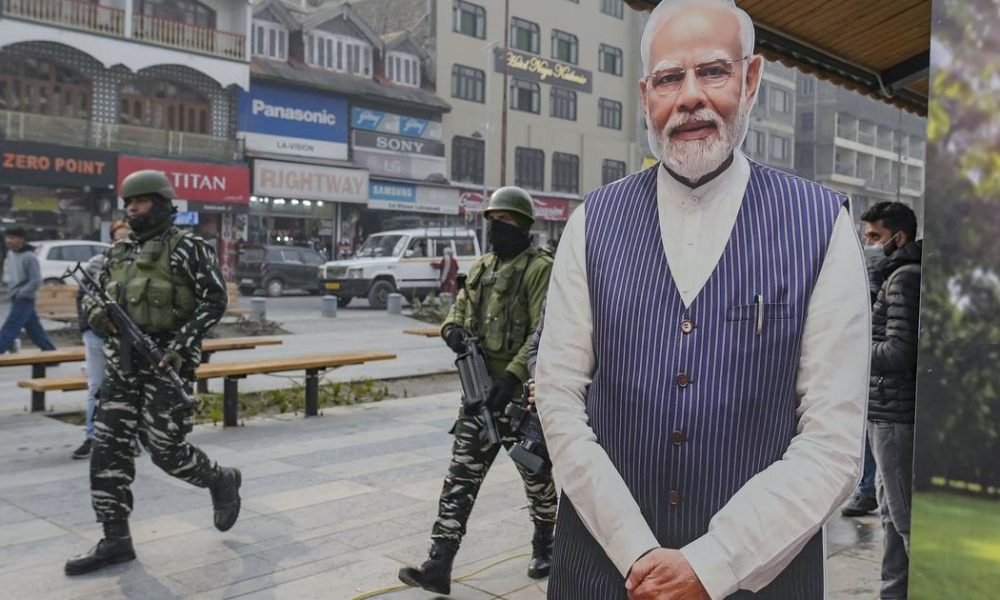
The Indian political landscape has undergone significant changes since the Bharatiya Janata Party (BJP) secured a decisive victory in May 2019. One of the most controversial actions taken by the Modi government was the abrogation of Article 370 on August 5, 2019, a move that not only revoked the special status of Jammu and Kashmir but also led to the bifurcation of the region into two Union Territories—Jammu and Kashmir, and Ladakh. This decision was executed without the approval of the local legislative assembly, which was under President’s Rule at the time.
Experts argue that the revocation of Article 370 was the culmination of a long-standing trend toward diminishing federal autonomy in India. Over the years, successive administrations, along with judicial interventions, had progressively undermined the provisions of this article, which was initially intended to grant significant self-governance to the region. While some hailed the abrogation as a necessary step towards integration, critics maintain that it stripped away the last vestiges of autonomy promised to Jammu and Kashmir.
Centralisation efforts did not stop with Jammu and Kashmir. In December 2019, the Indian Parliament enacted the Citizenship (Amendment) Act (CAA), which for the first time introduced religion as a criterion for Indian citizenship. This legislation was met with widespread protests, particularly because it explicitly excluded Muslims from the list of religious minorities eligible for expedited citizenship from select neighbouring countries. This marked a pivotal moment in India’s constitutional history and raised questions about the secular fabric of the nation.
These moves have raised alarms among scholars and political observers regarding the implications for India’s federal structure. The growing trend of centralisation is viewed by many as a threat to the federal principles enshrined in the Indian Constitution. Critics argue that such actions undermine the autonomy of states and dilute the plurality that is characteristic of India’s diverse society.
As India progresses, the debate over the balance of power between the Centre and the states is likely to intensify. The ongoing discussions about federalism in India highlight the need for a reassessment of the relationship between the national government and regional authorities. As the Modi government continues its centralising agenda, the question remains: what will be the long-term effects on India’s democratic framework and its commitment to federalism?
Source: scroll.in







No Comment! Be the first one.