

Political Turmoil in West Bengal: Shifting Alliances Pose Threat to India’s Opposition Unity
In a significant political upheaval, West Bengal is witnessing a crisis within the Trinamool Congress (TMC) that could reshape the landscape of opposition parties across India. Following a defeat...

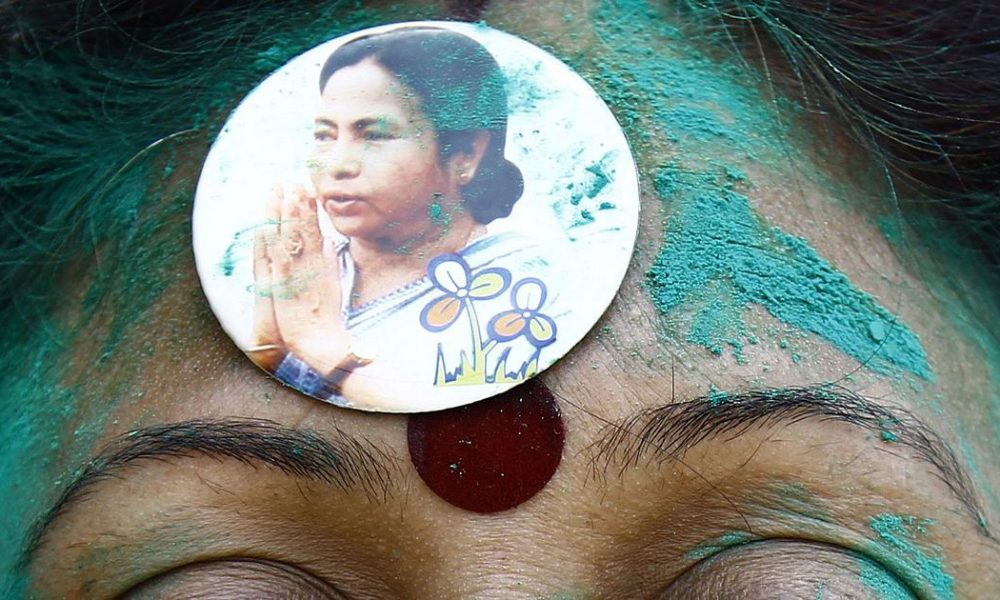
In a significant political upheaval, West Bengal is witnessing a crisis within the Trinamool Congress (TMC) that could reshape the landscape of opposition parties across India. Following a defeat against the Bharatiya Janata Party (BJP) in the recent Assembly elections, developments within the TMC signal not just a struggle for power but possibly a new strategy for consolidating political strength.
On Tuesday, Ritabrata Banerjee, a rebel leader from the TMC, made headlines by claiming he had garnered the support of 65 out of the 80 MLAs from the party elected to the Assembly. This assertion highlights the fragility of party loyalty in the current political climate. The crisis extends into the national arena as well, with reports indicating that 20 of the 28 TMC Members of Parliament (MPs) in the Lok Sabha are seeking to merge with a lesser-known ally of the BJP-led National Democratic Alliance (NDA) from Tripura. This move, led by a rebel MP, suggests a potential fragmentation that could have wider implications for opposition unity.
The political scene in India has long been marked by individual defections, where politicians switch sides to gain advantage for their new parties. Historically, such moves have allowed recipient parties to benefit from additional manpower, resources, and voter bases. However, the legal complexities surrounding party-switching have often deterred such actions, leading to voter skepticism and lengthy processes. The current developments in West Bengal seem to transcend these individual defections, indicating a systemic shift that threatens the very fabric of opposition parties.
As the situation evolves, the implications of these defections could be profound. With the potential collapse of organizations like the TMC, there is a real concern that this trend might undermine collective opposition efforts against the ruling BJP. Political analysts argue that such a fragmentation could consolidate power within the BJP-dominated NDA, further diminishing the chances of a unified opposition in future elections. The unfolding drama in West Bengal serves as a reminder of the precarious nature of political alliances in India and the ever-changing dynamics that can redefine the political landscape.
Ultimately, the future of the TMC and its ability to retain its cadre remains uncertain. Furthermore, if these trends continue, they could signal a significant shift in the opposition’s ability to mount a credible challenge against the BJP, raising questions about the viability of a united front in Indian politics. As the story develops, all eyes will be on West Bengal, where political loyalties are being tested and the implications for opposition politics could be profound.
Source: scroll.in



No Comment! Be the first one.