

Indian Activists Demand Arrest of Israeli Soldier Accused of War Crimes
An Israeli soldier, Eitan Gilboa, found himself at the center of controversy during a recent trip to India, where he was allegedly tracked down by activists due to his social media posts. Gilboa was...

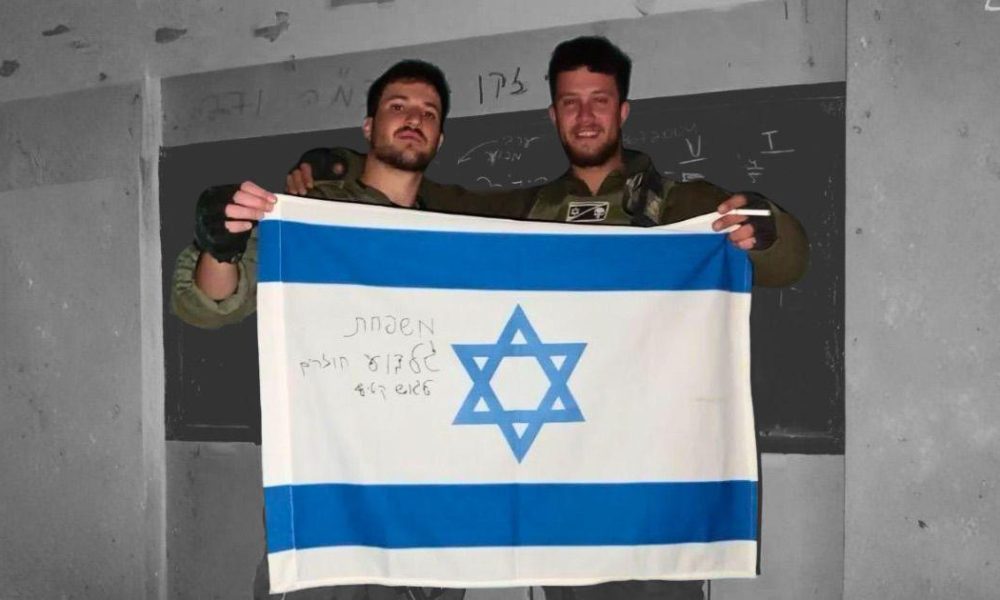
An Israeli soldier, Eitan Gilboa, found himself at the center of controversy during a recent trip to India, where he was allegedly tracked down by activists due to his social media posts. Gilboa was reportedly vacationing in the picturesque hill state of Himachal Pradesh, a popular destination for many Israelis seeking leisure. However, a simple mistake of sharing his location online led to a significant backlash.
The Hind Rajab Foundation, a pro-Palestine organization, seized the opportunity created by Gilboa’s social media activity to file a complaint with Indian authorities. They allege that he is implicated in war crimes committed during the Gaza conflict, which has drawn global scrutiny. This case marks the first time that activists in India have sought legal action against an Israeli soldier, highlighting the complexities of international law and human rights advocacy in the Indian context.
Despite the momentum gained by the activists, many remain skeptical about the potential for a successful legal outcome, given India’s historically warm relations with Israel. The Hind Rajab Foundation, while asserting that they possess a legally sound case, admits that they did not anticipate a robust response from the Indian government. Their primary goal seems to be to ignite a conversation around the presence of Israeli soldiers accused of war crimes traveling freely in India.
In a statement following their complaint, the foundation indicated that Gilboa departed from India shortly after the allegations were made public. This raises questions about the level of accountability that individuals involved in military actions are subject to, especially when they are present in countries that maintain diplomatic ties with their home nations.
As the debate unfolds, this incident serves as a reminder of the intricate interplay between tourism, politics, and international human rights. Activists are hopeful that their actions will encourage a broader discussion on the ethical considerations of allowing individuals accused of serious offenses to visit India, a country that traditionally embraces humanitarian principles.
Source: scroll.in





No Comment! Be the first one.