

Rising Anti-Foreigner Sentiment in Japan Amidst Growing Workforce Needs
Japan is currently facing an unprecedented influx of foreigners as its native population continues to decline and its workforce ages. This demographic shift has resulted in a surge in foreign labor...

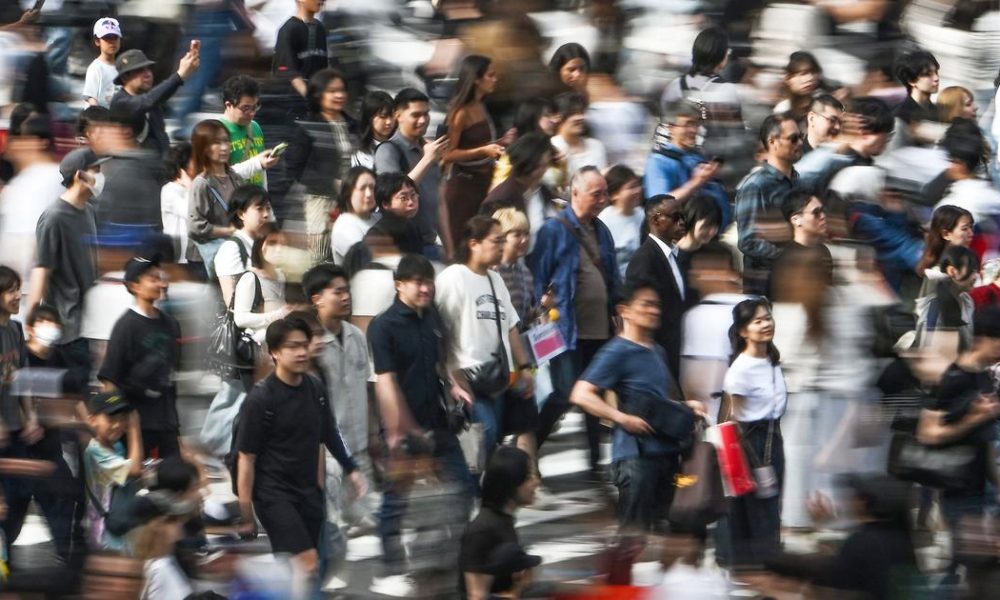
Japan is currently facing an unprecedented influx of foreigners as its native population continues to decline and its workforce ages. This demographic shift has resulted in a surge in foreign labor and record numbers of international tourists, significantly altering the social landscape of the nation. Interestingly, Japan has now become a preferred holiday destination for Australians, even surpassing popular locales like Bali, according to recent travel trends.
Despite these changes, the Japanese government has historically refrained from classifying the nation as an immigration society. Over the past two decades, while opportunities for migrant labor and permanent settlement have increased, there has been little progress in developing comprehensive frameworks for the integration and social acceptance of immigrants. This avoidance has kept discussions about foreigners largely on the periphery of political discourse.
A recent survey conducted on a representative sample of 1,500 Japanese citizens following the lower house elections in February has shed light on the public sentiment regarding foreign nationals. The findings are particularly revealing: approximately two-thirds of respondents advocate for stricter regulations on foreign ownership of land, alongside a strong expectation that foreigners should adhere to Japanese laws and cultural norms. These views are consistent across various demographics, including gender, education, and income levels.
However, a notable distinction appears when examining generational attitudes. Younger Japanese individuals tend to exhibit a more welcoming perspective towards foreigners, indicating a potential shift in societal norms over time. The recent rise in the number of foreign workers and tourists may be influencing this change, with younger generations becoming increasingly accustomed to diverse cultural interactions.
As Japan grapples with the dual challenge of maintaining its cultural identity while accommodating a growing foreign presence, the conversation surrounding immigration and social inclusion is likely to gain further prominence. The generational divide in perceptions offers a glimpse into the evolving landscape of Japanese society, suggesting a complex interplay between tradition and modernity as the nation moves forward.
Source: scroll.in







No Comment! Be the first one.