

The Untold Story of Romila Thapar’s Departure from Prasar Bharati: A Historian’s Perspective
Renowned historian Romila Thapar recently shared her reflections on her unexpected retirement from the Prasar Bharati board, a situation that has sparked discussions about the role of history in...

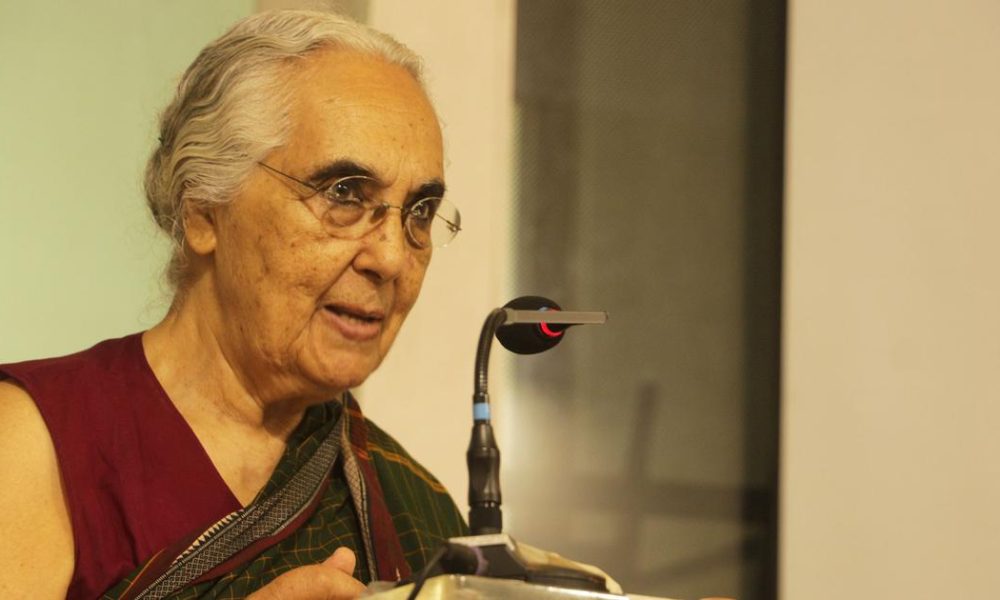
Renowned historian Romila Thapar recently shared her reflections on her unexpected retirement from the Prasar Bharati board, a situation that has sparked discussions about the role of history in contemporary governance and cultural preservation. Thapar’s memoir sheds light on significant encounters with social activists and the pressing issues around tribal rehabilitation and archaeological preservation, particularly in relation to large-scale development projects like the Narmada Dam.
During her tenure, Thapar was joined by notable figures such as Krishna Kumar, an expert in educational reform, and Medha Patkar, a fierce advocate for tribal rights. Patkar’s deep concern for the tribal communities affected by the Narmada project resonated with Thapar, who described their conversation as enlightening. Patkar emphasized the urgent need for proper rehabilitation of the displaced tribes, advocating for their relocation to elevated, fertile lands to ensure their livelihoods.
While discussing the ramifications of the Narmada Dam’s construction, Thapar highlighted a critical issue: the loss of archaeological sites submerged by rising waters. She recalled how Patkar passionately urged for these sites to be documented before they were permanently lost. Their dialogue underscored the importance of recording cultural heritage, as these archaeological artifacts hold invaluable insights into India’s past.
Thapar’s advocacy for archaeological preservation echoes a broader concern about the intersection of development and culture in India. Major infrastructure projects often result in irreversible changes to landscapes and communities. As a historian, Thapar believes that understanding and preserving this history is vital, not just for academic purposes but also for the identity and heritage of the affected populations.
The historian’s insights into these critical issues highlight the ongoing struggle between development and cultural preservation in India. Her memoir serves as a reminder of the complexities involved in balancing modern progress with the rights and histories of marginalized communities. The dialogue around her retirement from Prasar Bharati is not merely about an individual’s departure; it reflects larger conversations about the role of history and cultural conscience in shaping public policy.
Source: scroll.in







No Comment! Be the first one.