

Controversy Surrounds West Bengal’s Voter Roll Revision: Was It Unconstitutional?
The recent electoral outcome in West Bengal has thrown the spotlight on the controversial decision made by the Election Commission of India (ECI) regarding voter roll revisions. The Bharatiya Janata...

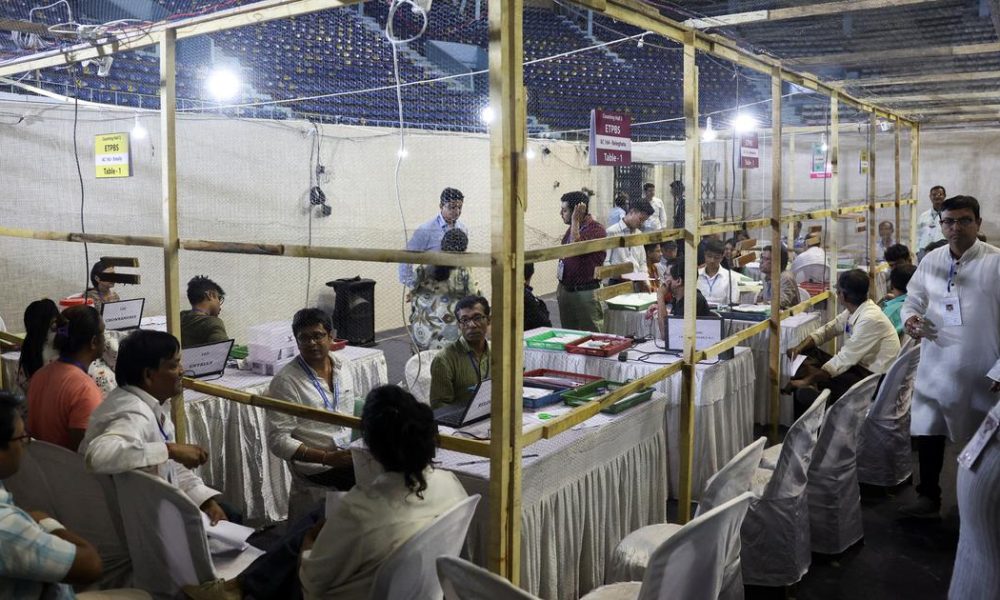
The recent electoral outcome in West Bengal has thrown the spotlight on the controversial decision made by the Election Commission of India (ECI) regarding voter roll revisions. The Bharatiya Janata Party (BJP) made a significant gain in the state, securing 207 seats on May 4, 2023, amidst allegations of irregularities in the voter registration process. With approximately 1.36 crore voters identified by the ECI as having ‘logical discrepancies,’ and over 27 lakh individuals contesting their removal from the electoral rolls, the implications of these actions are profound.
The Special Intensive Revision (SIR) of the electoral rolls has come under intense scrutiny and is being labeled unconstitutional for several reasons. First, the ECI introduced a new classification of voter ineligibility termed ‘logical discrepancies’ without any statutory backing. This raises questions about the legal authority of the commission to create such categories, which seem to lack a clear definition or basis in existing electoral law.
Second, the process allowed officials to make determinations about voter eligibility in a quasi-judicial capacity without receiving proper training or adhering to established guidelines. This delegation of authority, combined with the lack of procedural clarity, has led to concerns that many eligible voters may have been unjustly excluded from the rolls. The absence of trained personnel overseeing this crucial task raises the potential for significant administrative errors and inequities.
Finally, the appeals process for those affected by these exclusions has been criticized as ineffective, with many individuals unable to rectify wrongful removals prior to voting day. This systemic failure to ensure that all eligible voters can participate in the electoral process could result in widespread disenfranchisement, a situation that undermines the very foundation of democratic participation.
The Supreme Court’s handling of the situation, particularly in the case of Mostari Banu v Election Commission of India, has also drawn attention. Critics argue that the court should have intervened to halt exclusions related to the ‘logical discrepancy’ classification until more transparent criteria were established. The lack of judicial action in this regard may have inadvertently facilitated a process that disenfranchises a significant number of voters.
As the political landscape in West Bengal continues to evolve following the recent elections, the implications of the ECI’s actions remain a topic of heated debate. The future of electoral integrity in the state and the broader implications for democracy in India hang in the balance as citizens grapple with the fallout from these controversial revisions.
Source: scroll.in







No Comment! Be the first one.