

Maharashtra Minister Nitesh Rane Sentenced to One Month in Jail for Assaulting NHAI Engineer
A court in Sindhudurg, Maharashtra, has convicted Nitesh Rane, a minister affiliated with the Bharatiya Janata Party (BJP), to a one-month prison term for an incident that occurred in 2019. Rane was...

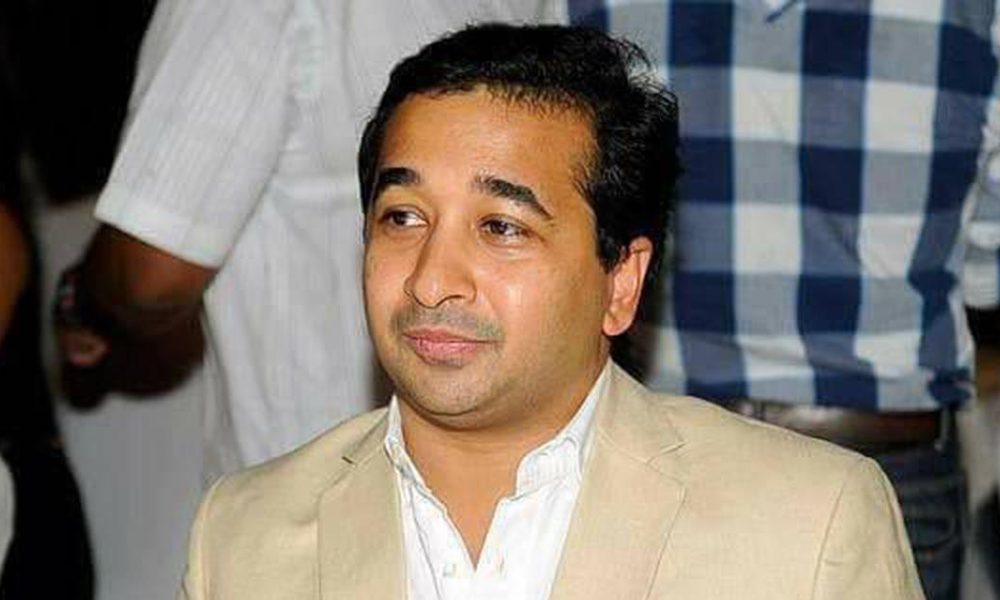
A court in Sindhudurg, Maharashtra, has convicted Nitesh Rane, a minister affiliated with the Bharatiya Janata Party (BJP), to a one-month prison term for an incident that occurred in 2019. Rane was found guilty of humiliating a National Highways Authority of India (NHAI) engineer by pouring mud over him and tying him to a bridge during an inspection of potholes on the Mumbai-Goa highway.
The altercation took place on July 4, 2019, when Rane, who was then a member of the Congress party and representing Kankavli, expressed his anger over the poor condition of the road. Videos from the incident showed Rane pushing the engineer, Prakash Shede, while his supporters poured buckets of mud over him. The visuals also depicted Shede being tied up by the bridge, as Rane was heard urging his supporters to continue the act of humiliation.
On Monday, Additional Sessions Court Judge VS Deshmukh highlighted that while Rane’s actions might have stemmed from a desire to draw attention to the substandard road conditions affecting local residents, such behavior was unacceptable. The judge emphasized that public servants must be able to execute their duties without fear of humiliation or insult, stating that such incidents compromise the dignity of their roles.
Following the verdict, Rane’s sentence was temporarily suspended to give him the opportunity to appeal the decision in a higher court, allowing him to seek legal recourse. This case has sparked discussions about the accountability of public officials in India and the manner in which grievances related to infrastructure are addressed.
Rane’s actions and the court’s decision have reignited debates on how political leaders interact with civil servants, especially in cases where the public’s welfare is at stake. While Rane’s intentions may have been to highlight infrastructural deficiencies, critics argue that resorting to public humiliation is counterproductive and undermines the rule of law.
Source: scroll.in






No Comment! Be the first one.