

The Allure of Political Outsiders: Understanding India’s Shifting Democratic Landscape
In recent years, Indian politics has witnessed a remarkable rise in the popularity of political outsiders—figures who position themselves as champions of the common people against the established...

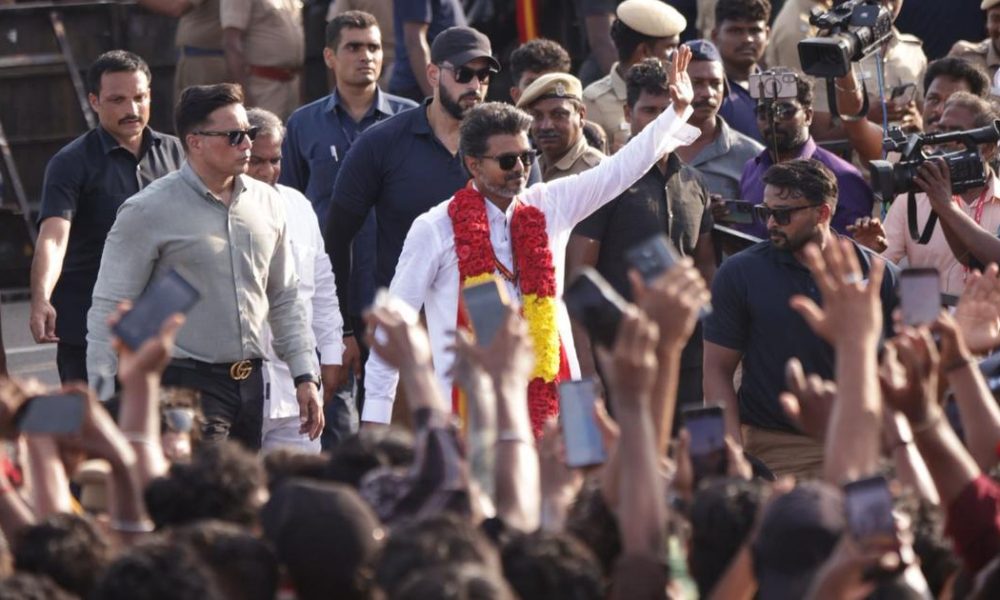
In recent years, Indian politics has witnessed a remarkable rise in the popularity of political outsiders—figures who position themselves as champions of the common people against the established political order. Political scientist Srirupa Roy’s book, The Political Outsider: Indian Democracy and the Lineages of Populism, provides a profound analysis of this phenomenon, tracing its roots from the tumultuous period of the Emergency to the emergence of influential leaders like Narendra Modi and Arvind Kejriwal.
Roy’s work offers insights into why voters feel drawn to these self-proclaimed outsiders, who promise to ‘heal’ a democracy perceived as flawed. At the heart of this discussion is the notion of populism, which Roy describes as a ‘thin-centered ideology.’ It frames political and social life as a moral struggle between a unified, virtuous populace and a corrupt elite. This dichotomy is not arbitrary; it taps into deeper historical and cultural narratives that resonate with the electorate.
One of the key revelations in Roy’s research is understanding the broader context in which these political outsiders operate. Their rise is not solely a response to emotional dissatisfaction with the status quo but is also fueled by mundane institutional processes and bureaucratic dynamics. This suggests that the appeal of populism is intertwined with the political landscape’s underlying structures rather than merely being a reaction to immediate grievances. As such, the phenomenon is more complex than it appears at first glance.
The success of figures like Vijay, leader of the Tamilaga Vettri Kazhagam, exemplifies this trend. These leaders often harness feelings of disenfranchisement among voters, presenting themselves as relatable figures who understand the common man’s struggles. They challenge the traditional political elite and promise to restore power to the people, a narrative that has resonated particularly well in an era marked by increasing political dissatisfaction.
As India continues to navigate its democratic journey, the rise of political outsiders raises important questions about the future of governance and representation in the country. It invites a deeper examination of what it means to be a representative in a democracy that is both diverse and dynamic. With populism on the rise, it is essential for voters and political analysts alike to consider how these new dynamics will shape India’s political landscape in the years to come.
Source: scroll.in





No Comment! Be the first one.