

Unveiling the Legacy of ‘Badluram ka Badan’: The Marching Song from Kohima
The Battle of Kohima, a pivotal conflict during World War II, unfolded from April 4 to June 22, 1944, in the hilly terrains of northeastern India. This battle is not only recognized for its strategic...

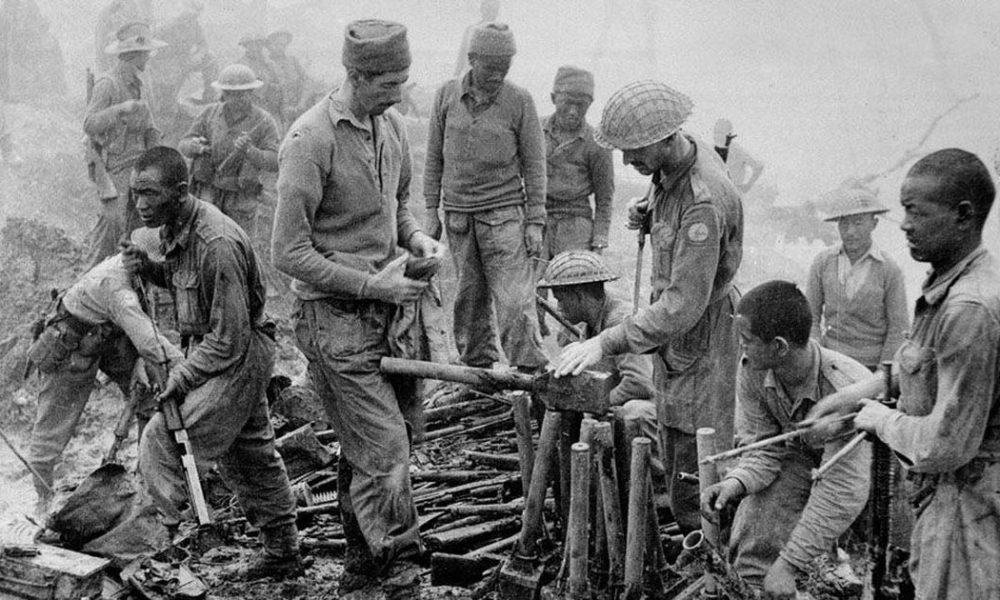
The Battle of Kohima, a pivotal conflict during World War II, unfolded from April 4 to June 22, 1944, in the hilly terrains of northeastern India. This battle is not only recognized for its strategic significance but also holds a prominent place among the most critical confrontations in the annals of the British Army.
In this fierce engagement, the Japanese forces, led by Lieutenant General Kotoku Sato, launched an aggressive offensive with approximately 15,000 troops from the 31st Division. Their objective was clear: to seize Kohima and cut off the vital supply routes connecting Dimapur to the strategic city, Imphal. However, the British-Indian garrison, comprised of around 1,500 personnel from the Queen’s Own Royal West Kent Regiment, the Assam Regiment, and various other units, was resolute in its defense.
As Japanese troops encircled the garrison on April 4, relentless bombardments rained down upon the defenders, who were forced into a desperate fight for survival. The situation escalated as the Japanese executed night assaults, pushing the beleaguered garrison back towards Garrison Hill. Here, fierce trench-to-trench combat erupted, with some of the most brutal confrontations occurring near the Deputy Commissioner’s bungalow—where the opposing forces were separated by merely a tennis court.
By mid-April, the situation for the isolated defenders had become critical. The garrison was on the brink of collapse when reinforcements finally arrived. The 2nd British Division was hastily deployed via rail and air, reaching Kohima on April 18. Their arrival marked a turning point, as they successfully cleared the Japanese roadblock near Zubza on the Dimapur-Kohima road, which enabled vital supplies and reinforcements to reach the courageous defenders.
The bravery exhibited during the Battle of Kohima not only turned the tide of the war in the region but also gave rise to the marching song ‘Badluram ka Badan.’ This anthem became a powerful symbol of resilience and courage, encapsulating the spirit of the soldiers who fought valiantly against overwhelming odds. As the song continues to resonate within Indian military circles today, it serves as a poignant reminder of the sacrifices made during one of the most significant battles in Indian history.
Source: scroll.in







No Comment! Be the first one.