

The British Plunder of Indian Treasures During the 1857 Uprising: A Historical Perspective
The uprising of 1857, often dubbed as India’s First War of Independence, was not just a battle for freedom but also a grim episode of cultural and material loss. Among the numerous treasures pilfered...

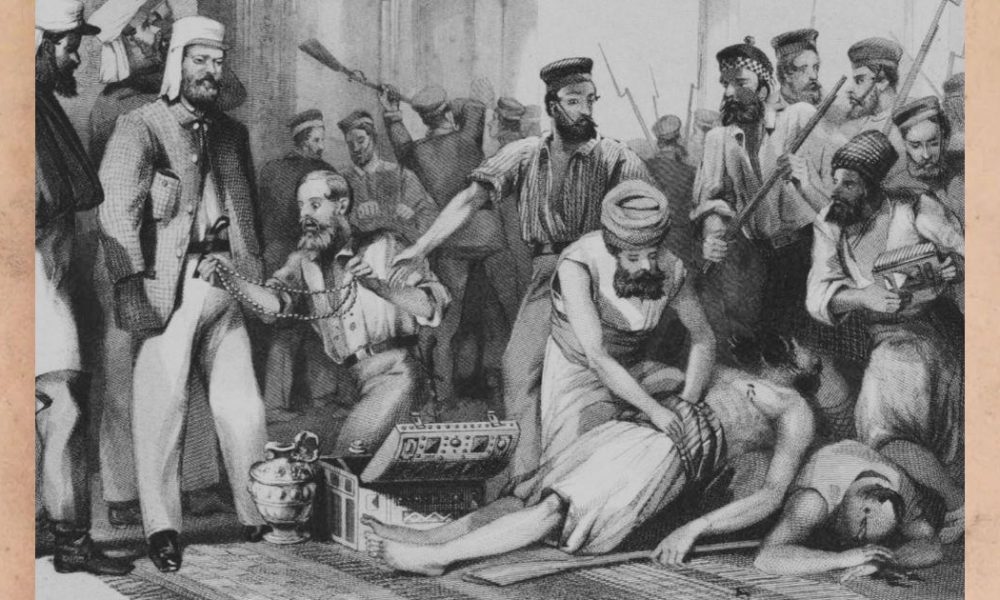
The uprising of 1857, often dubbed as India’s First War of Independence, was not just a battle for freedom but also a grim episode of cultural and material loss. Among the numerous treasures pilfered by the British were exquisite crockery from the palaces of Awadh, silver artifacts and animals from Nana Saheb Peshwa’s residence in Bithur, and the precious jewels and silk garments once belonging to Mughal Emperor Bahadur Shah Zafar. Such acts of looting were rampant during this rebellion, highlighting a darker side to the colonial narrative.
Accounts from British authors who witnessed the rebellion reveal an interesting, albeit troubling, perspective on the looting. They often portrayed the acts of plunder as heroic endeavors, rationalizing that they were rectifying a situation brought about by the violent uprising of the Indian sepoys. The British narratives frequently depicted the sepoys as marauders while minimizing or outright ignoring their own roles in the widespread looting.
Despite proclamations from the East India Company attempting to curb such plundering, British individuals ventured into the chaos, seemingly unrestrained by fear of societal or legal consequences. This paradox in their accounts illustrates an underlying hypocrisy; while they expressed concern over the potential loss of their possessions to Indians, they simultaneously relished in the plundering of Indian property.
The initial phase of the rebellion, which erupted in Meerut on May 10, 1857, was primarily focused on avenging grievances against British officers. However, the subsequent events in Delhi saw an escalation in looting. As British residents abandoned their homes, they took whatever valuables they could, leaving behind a trail of devastation. Witnesses like Maria Germon, in her writings, reflected the chaos and despair that engulfed the city.
This historical episode serves as a poignant reminder of the complex layers of colonialism, where narratives of heroism and villainy often blurred. The treasures lost during this time were not merely objects of material wealth but symbols of a rich cultural heritage stripped away under the guise of imperial superiority. Understanding this history prompts a critical examination of the lasting impacts of colonialism in India.
Source: scroll.in






No Comment! Be the first one.