

The 2002 Gujarat Elections: Lessons from CEC Lyngdoh’s Stand on Electoral Integrity
The recent deletion of approximately 13 crore names from electoral rolls has rekindled memories of the tumultuous 2002 Gujarat elections, a period marked by sectarian violence and political...

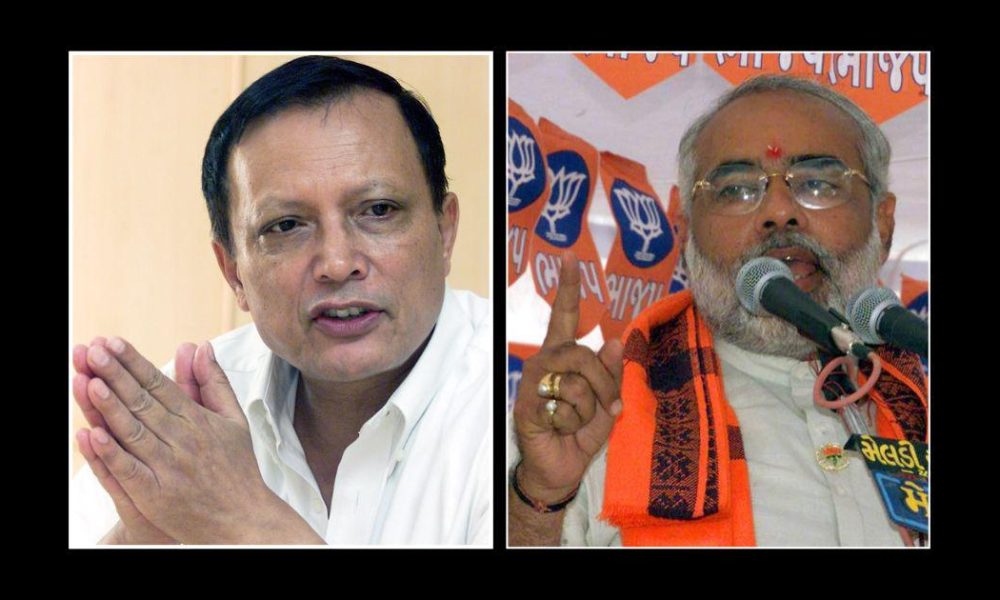
The recent deletion of approximately 13 crore names from electoral rolls has rekindled memories of the tumultuous 2002 Gujarat elections, a period marked by sectarian violence and political controversy. This historical comparison raises critical questions about electoral integrity and the timing of elections amid societal unrest.
In July 2002, Gujarat was reeling from the aftermath of the Godhra train incident, which had triggered widespread violence and unrest across the state. The prolonged violence had resulted in the displacement of thousands, particularly affecting the Muslim community, who were forced to seek refuge in relief camps. Against this backdrop of chaos, on July 19, BJP general secretary Arun Jaitley approached Chief Election Commissioner (CEC) JM Lyngdoh to advocate for early elections in Gujarat.
Jaitley’s argument was straightforward: if elections could be conducted in Punjab and Assam during times of unrest, why not in Gujarat? He insisted that the situation in Gujarat was now “normal.” However, CEC Lyngdoh was resolute in his response, emphasizing that Gujarat’s political circumstances were unique due to the presence of a “discredited government.” This statement, which Jaitley deemed politically charged, highlighted the distance between political aspirations and electoral responsibilities.
Lyngdoh’s perspective was clear; he believed that the integrity of the electoral process could not be compromised for political expediency. In his book, *Chronicle of an Impossible Election*, he articulated his stance against the backdrop of the ongoing crisis, firmly stating that language reflecting political bias should not cloud the judgment of electoral authorities. His refusal to bow to political pressure serves as a critical reminder of the importance of maintaining electoral integrity in the face of challenges.
This historical moment serves as a reference point for examining current electoral practices and the integrity of voter rolls in India today. The recent updates to the electoral rolls, which have led to the removal of such a significant number of names, echo the concerns raised in 2002 about the need for transparency and propriety in the electoral process. As India moves closer to its upcoming elections, the lessons from the past remain relevant, emphasizing the importance of ensuring that electoral processes are carried out fairly, without the influence of political agendas.
Source: scroll.in





No Comment! Be the first one.