

Brazil’s Presidential Election: Lula’s Role as a Counterforce to Right-Wing Politics
On October 25, Brazil is set to conduct the second round of its presidential elections, a crucial event that holds significant implications not just for the nation but also for the broader...

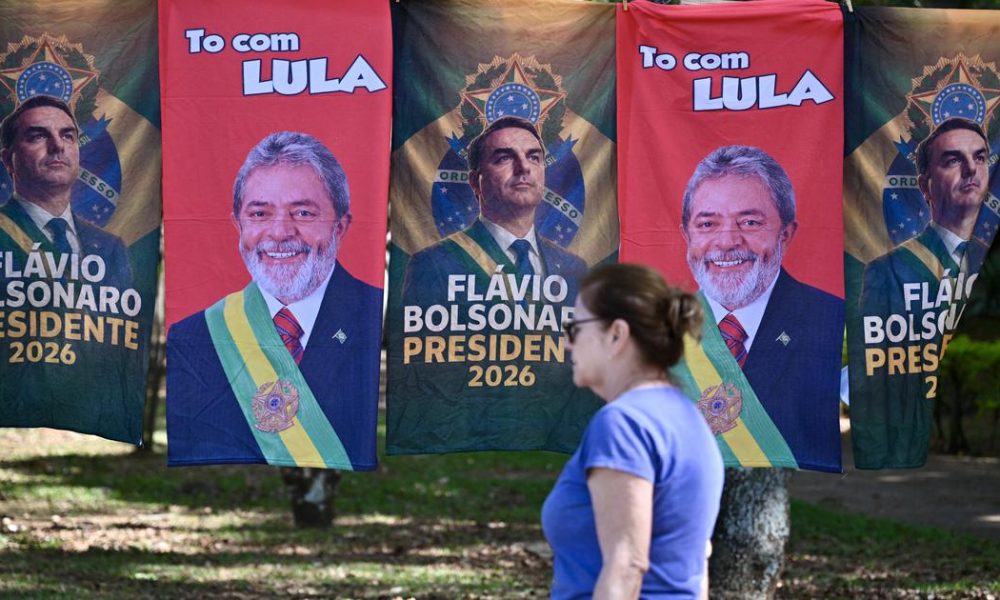
On October 25, Brazil is set to conduct the second round of its presidential elections, a crucial event that holds significant implications not just for the nation but also for the broader geopolitical landscape. Current President Luiz Inácio Lula da Silva, a prominent figure in Brazilian politics, is viewed as a formidable opponent to the growing influence of right-wing populism in the region, particularly that reminiscent of Donald Trump’s administration in the United States.
Under Lula’s leadership, Brazil has become a vital player in resisting the encroachment of far-right ideologies that critics argue prioritize the interests of a select group of elites over the welfare of ordinary citizens. His presidency stands as a bulwark against the surge of populist agendas that have gained traction in various South and Central American countries. Recent analyses highlight a worrying trend: while only a handful of leaders aligned with Trump-style politics were in power in 2023, that number has surged to 11. Should Flávio Bolsonaro, son of the incarcerated former president Jair Bolsonaro, win the election, he would become the twelfth leader to align with such ideologies, further entrenching right-wing governance across the continent.
This election is not merely about Brazil’s internal politics; it reflects a broader global struggle against the rise of populism that undermines democratic values. Lula’s ability to galvanize support against these trends is critical, especially as many nations grapple with the consequences of such governance. His commitment to progressive policies and social justice resonates with a significant portion of the electorate, particularly in a region where economic inequality remains a pressing issue.
Moreover, Lula’s administration has been characterized by a focus on environmental protection and indigenous rights, setting a stark contrast to many populist leaders who prioritize short-term gains over sustainable development. This difference in approach may appeal to voters who are increasingly aware of climate change and its implications for future generations.
As Brazil heads to the polls, the outcome will not only determine its next leader but also influence the political climate across Latin America. The implications of this election extend beyond national boundaries, reminding the world of the interconnectedness of political ideologies in a rapidly changing global landscape. The stakes are high, and the world will be watching closely as Brazilians make their choice.
Source: scroll.in




No Comment! Be the first one.