

Rediscovering Hazrat Mahal: The Rebel Begam of Awadh
In the annals of Indian history, certain figures remain shrouded in mystery, yet their stories resonate deeply within the cultural fabric of the nation. One such figure is Begam Hazrat Mahal, a...

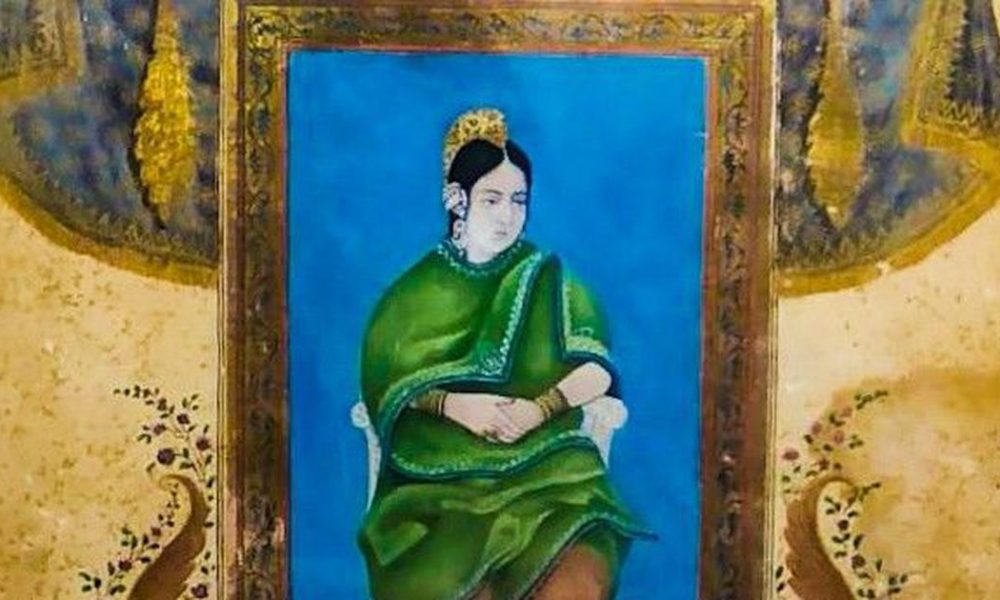
In the annals of Indian history, certain figures remain shrouded in mystery, yet their stories resonate deeply within the cultural fabric of the nation. One such figure is Begam Hazrat Mahal, a formidable leader of the 19th century, whose legacy is explored anew in Rosie Llewellyn-Jones’s book, Hazrat Mahal: The Rebel Begam of Awadh. The title aptly encapsulates her dual identity as both a royal and a revolutionary, a woman who embraced the spirit of rebellion at a significant personal cost.
Hazrat Mahal is often depicted as an elusive character in the tapestry of Indian history, a notion that Llewellyn-Jones challenges by bringing her story to the forefront. The book intricately examines her life against the backdrop of the political landscape of Awadh during the time of the British colonial expansion. Before the begam herself takes center stage, readers are first introduced to the men who shaped her world – her husband, King Wajid Ali Shah, and her son. This narrative choice highlights the societal structures of the period, framing Hazrat Mahal’s struggle not just as a personal battle but also as a fight against the patriarchal norms that sought to define her.
The author’s approach raises critical questions about representation and the narratives surrounding historical figures. Why is it that Hazrat Mahal’s story is initially told through the lens of male characters? This inquiry is particularly poignant given the title ‘Mahal’ itself, which was conferred upon her by her husband, suggesting a perspective that objectifies women. As readers journey through the pages, they are compelled to reflect on the implications of such titles and the narratives that have historically marginalized women’s contributions. While men often dominate historical discourse, Llewellyn-Jones’s work emphasizes the importance of reclaiming these narratives and giving voice to women like Hazrat Mahal, who played a pivotal role in challenging the status quo.
Through detailed research and vivid storytelling, Llewellyn-Jones paints a portrait of Hazrat Mahal not only as a queen but as a strategic leader who rallied forces against British imperialism. Her tireless efforts during the 1857 uprising are emblematic of the broader struggles faced by Indian women in asserting their agency. The resistance led by Hazrat Mahal is a testament to the strength and resilience of women, often overlooked in the chronicles of history.
As the biography unfolds, readers are left to ponder the complexities of identity and the ways in which history can be rewritten. By reframing Hazrat Mahal’s narrative, Llewellyn-Jones invites us to reconsider the legacies of women who defied societal norms and fought for their beliefs. In doing so, the book not only honors Hazrat Mahal’s memory but also encourages a deeper understanding of the past, reminding us that every woman’s story is worth telling.
Source: scroll.in





No Comment! Be the first one.