

Government Updates Rules to Permit E100 Ethanol Fuel for Flex-Fuel Vehicles
The Indian government has made significant amendments to regulations, permitting flex-fuel vehicles to operate on E100, a fuel comprised of nearly pure ethanol. The Ministry of Road Transport and...

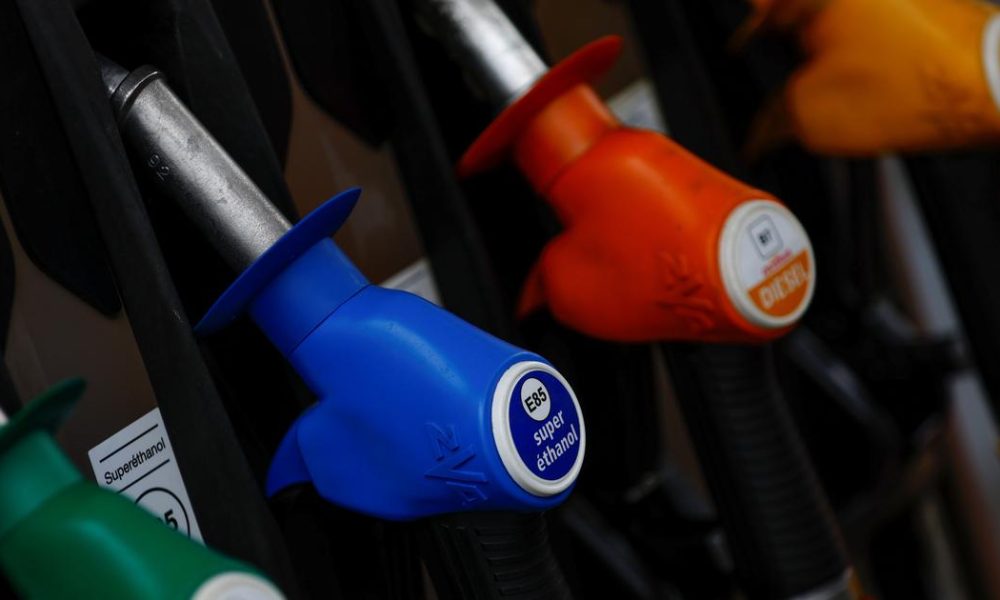
The Indian government has made significant amendments to regulations, permitting flex-fuel vehicles to operate on E100, a fuel comprised of nearly pure ethanol. The Ministry of Road Transport and Highways issued a notification on Friday, and these changes became effective on the following Monday.
The newly revised rules enable flex-fuel vehicles to utilize E100 as well as E85, which contains 85% ethanol and 15% petrol. Flex-fuel vehicles are engineered to accommodate various blends of petrol and ethanol, thereby enhancing fuel options. However, it is essential to note that traditional petrol vehicles, including those designed for E20 fuel (which consists of 20% ethanol and 80% petrol), are prohibited from using E85 or E100.
The adoption of this policy forms part of the government’s broader Ethanol Blended Petrol initiative, which mandates that all petrol sold in India must include a 20% ethanol blend. This initiative aims to diminish the nation’s reliance on fossil fuels, reduce greenhouse gas emissions, and bolster the income of sugarcane farmers across the country. Ethanol is derived from sugarcane and food grains, making it a renewable resource.
Despite these environmental and agricultural benefits, there have been rising concerns among consumers regarding the impact of the new fuel blends on vehicle performance. Many petrol vehicle owners have reported that the newly introduced fuel mixtures could potentially harm engines and lead to decreased fuel efficiency. A recent opinion poll conducted by LocalCircles revealed that 53% of petrol vehicle owners view the government’s approach to rolling out E20 as “disastrous” or “ineffective.”
In a concession to these concerns, the Union government acknowledged in July that petrol blended with 20% ethanol could lead to a decrease in fuel efficiency ranging from 2% to 6% in vehicles specifically designed for it. As the transition to more ethanol-based fuels continues, the government faces the challenge of ensuring that consumers are informed and satisfied with the changes, highlighting the delicate balance between environmental sustainability and practical vehicle performance.
Source: scroll.in





No Comment! Be the first one.