

Delhi’s Air Quality Deteriorates as Pollution Management Strategies Come Under Scrutiny
On October 21, the air quality in Delhi fell into the ‘poor’ category, triggering the Commission for Air Quality Management (CAQM) to implement Stage I of the Graded Response Action Plan...

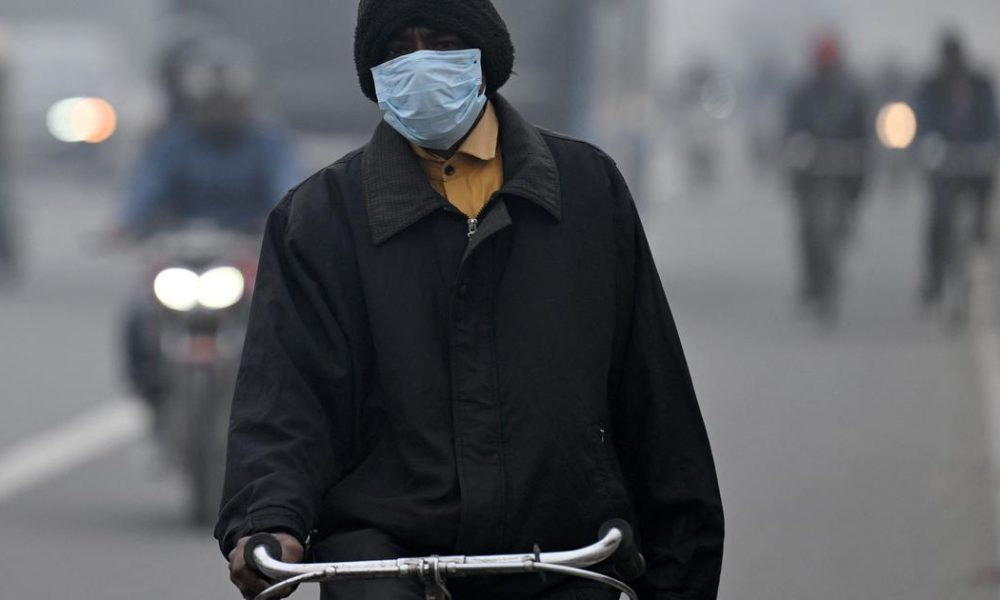
On October 21, the air quality in Delhi fell into the ‘poor’ category, triggering the Commission for Air Quality Management (CAQM) to implement Stage I of the Graded Response Action Plan (GRAP) across the National Capital Region (NCR). This initial stage introduces a series of measures aimed at alleviating pollution, including enhanced mechanical road sweeping and the sprinkling of water on streets to mitigate dust emissions. Additionally, activities related to construction and demolition are restricted to further reduce particulate matter in the air.
As winter approaches, concerns regarding air quality in the capital are expected to escalate. Historical data and past experience suggest that pollution levels typically worsen during this season, largely due to meteorological conditions that trap pollutants close to the ground. In response, a variety of pollution-control strategies will be activated, with agencies monitoring air quality closely and providing advisories to the public. Dashboards will also be updated to reflect real-time changes in air quality, ensuring citizens remain informed about the environmental conditions.
Despite the comprehensive monitoring and information available about air pollution in Delhi, experts argue that there is a significant gap in the ability to address and solve the underlying issues causing this crisis. A review conducted in 2019 by the Council on Energy, Environment and Water revealed that transportation was responsible for 18% to 39% of PM2.5 emissions, while road dust contributed between 18% and 38%. Road dust alone was identified as a source of 36% to 66% of PM10 pollution. PM2.5 and PM10 refer to particulate matter that poses serious health risks due to their minuscule sizes, allowing them to penetrate deep into the lungs and enter the bloodstream.
The data indicates that while there is an abundance of information about the pollution levels and their sources in Delhi, the implementation of solutions remains inadequate. As the government and relevant agencies continue to react to air quality alerts, questions arise regarding the long-term strategies in place to tackle pollution effectively. The reliance on temporary measures may not suffice to combat the systemic issues that contribute to the city’s chronic air quality problems.
In light of these findings, it becomes imperative for policymakers to shift focus from merely tracking pollution metrics to enhancing the operational capabilities of agencies tasked with combating air pollution. A holistic approach that includes sustainable urban planning, stricter vehicular emission norms, and public awareness campaigns could provide a more robust framework for addressing this pressing environmental challenge.
Source: scroll.in






No Comment! Be the first one.